A batch that looks perfect on the machine can still fail a wash fastness test days later. More often than not, the cause is unfixed disperse dye left on the fiber surface, and the fix is reduction clearing. This guide covers when the step is necessary, the chemistry behind it, and how to keep results consistent from lab dip to bulk production.
What Is Reduction Clearing?
Definition and Purpose
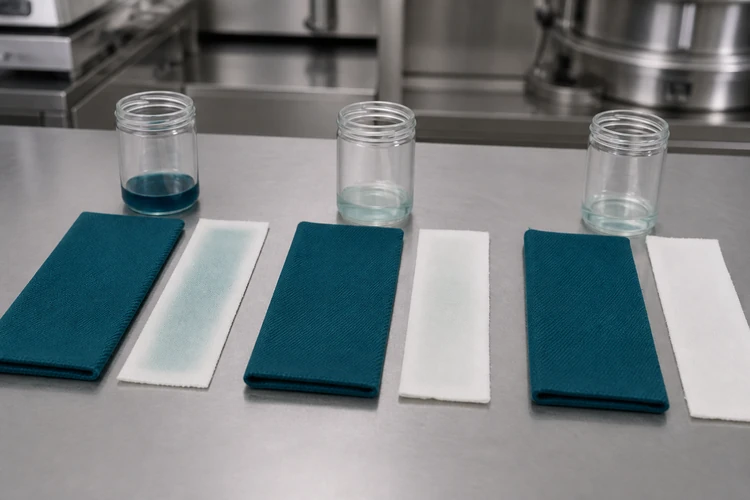
Reduction clearing is a post-dyeing treatment that removes disperse dye which has not penetrated or fixed onto polyester fibers. During high temperature dyeing, some dye molecules remain on the fiber surface instead of diffusing into the polymer structure. Left untreated, this residual dye rubs off and bleeds during washing, lowering overall color fastness. A reduction clearing bath breaks down and strips away the surface dye, leaving only the dye that has properly fixed inside the fiber.
Role in Disperse Dyeing
Reduction clearing takes place at the end of the disperse dyeing cycle, after the main dyeing stage and before final rinsing. It is one part of a larger polyester dyeing workflow that also includes pretreatment, dyeing, and finishing. The polyester dyeing application solutions page outlines how these stages connect, along with recommended auxiliaries for each step.
Impact on Colorfastness
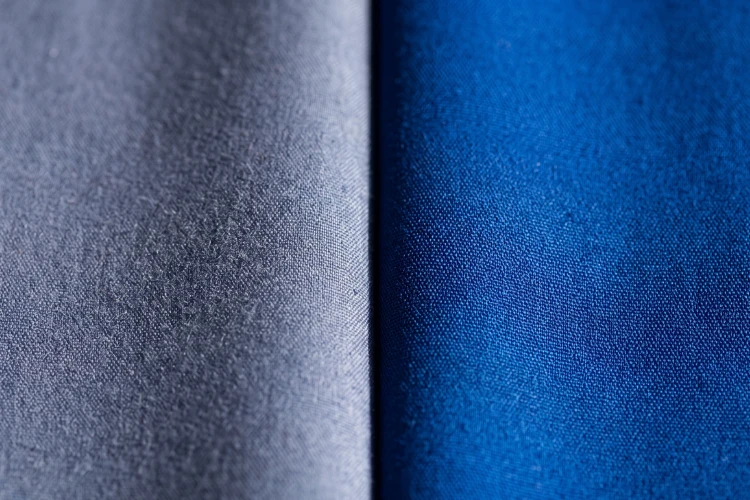
Wash and rub fastness are among the specifications buyers check most closely before accepting a shipment. Surface dye that has not been cleared is loosely bound and washes out easily, which is precisely what standardized tests such as AATCC’s laundering fastness methods are designed to detect. A properly executed reduction clearing step improves these results by removing the dye that would otherwise cause a failed test.
Common Quality Complaints
Mills that skip or under-perform reduction clearing tend to see a recurring pattern of issues:
- Color bleeding onto lighter garments in the same wash load
- Staining on packaging or trims during transport and storage
- Dull or hazy shades compared to the approved lab dip
- Rejected shipments after failed fastness testing at the buyer’s lab
These problems are almost always traceable to residual disperse dye rather than a flaw in the dye recipe itself, which is why reduction clearing deserves the same attention as the dyeing stage it follows.
When Reduction Clearing Is Needed
Dark and Medium Shades
Darker and medium depth shades require higher dye concentrations, which naturally leaves more unfixed dye on the fiber surface. The Skycron disperse dyes range covers both dyeing and printing applications across dark, medium, and vivid shades, and pairing these dyes with a proper reduction clearing step is standard practice for reaching acceptable fastness at these heavier depths.
High Dye Concentration Recipes
Any recipe with a high total dye percentage on weight of fabric (% o.w.f.) benefits from reduction clearing, not only dark shades. As a general reference, mills commonly group shade depth this way:
| Shade Depth | Typical Dye Concentration | Reduction Clearing |
| Light | Below 1% o.w.f. | Often optional |
| Medium | 1 to 3% o.w.f. | Recommended |
| Dark | Above 3% o.w.f. | Required |
These figures are a general guide rather than a fixed rule, since dye class, fiber blend, and fastness targets all shift the threshold. Multi-dye combinations used for precise custom shades fall into this same logic, as several dye classes combined can leave behind varying amounts of surface residue even at a moderate total percentage.
Blends with Cellulosic Fibers
Polyester-cotton and polyester-viscose blends add another layer of risk. Disperse dye that has not fixed to the polyester portion can stain the cellulosic fiber, causing an unwanted tone shift across the fabric. Reduction clearing protects the intended contrast or solid shade across both fiber types.
When It Can Be Skipped
Very light shades with low dye loading sometimes do not require a full reduction clearing cycle, particularly when high-exhaustion dyes and well-controlled dyeing conditions are used, and a simple hot wash can be enough. Skipping the step should still be a deliberate decision based on shade depth and fastness requirements, not a shortcut taken to save time.
Process and Control
Typical Recipe and Parameters
A standard alkaline reduction clearing bath includes a reducing agent, caustic soda or soda ash, and a wetting or dispersing agent. Sulfur-free acid-clearing systems, which run at a lower pH, are increasingly used as an alternative. A general starting point looks like this:
| Parameter | Typical Range |
| Reducing agent | 2 to 4 g/L |
| Alkali (NaOH or soda ash) | 2 to 4 g/L |
| Temperature | 70 to 80°C |
| Time | 15 to 20 minutes |
| Liquor ratio | 1:8 to 1:15 |
These figures vary by shade depth, dye class, and fiber blend, so lab trials should confirm the final recipe before scaling to bulk.
Controlling Temperature and pH
Temperature and pH are the two variables that most affect clearing efficiency:
- Too cool or too brief: residual dye is left behind, and fastness suffers.
- Too hot or too alkaline: the polyester surface or hand feel can be affected.
Most conventional recipes target a mildly alkaline pH between 9 and 11. Acid-based sulfur-free systems instead work in a neutral to mildly acidic range, depending on the product used, so the pH target should always match the chemistry selected rather than a single fixed rule.
Avoiding Over-Reduction or Under-Reduction
Under-reduction leaves surface dye behind, which shows up later as poor fastness. Over-reduction strips properly fixed dye from the fiber, causing shade loss, dulling, or an uneven appearance. Both outcomes typically trace back to incorrect dosing, inconsistent temperature control, or timing that does not match the shade depth being processed.
Rinsing and Neutralization
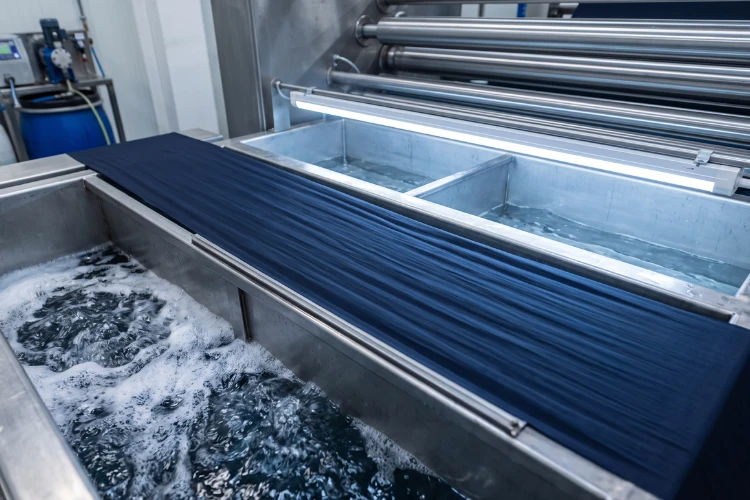
After clearing, thorough rinsing removes decomposition byproducts and residual chemicals from the fabric. A neutralization step, often with a small amount of acetic acid, brings the fabric back to a neutral pH before drying or further finishing. Skipping this stage can leave the fabric feeling harsh or create pH-related issues in downstream processes such as softening or coating.
Choosing the Right Reducing Agents
Sodium Hydrosulfite
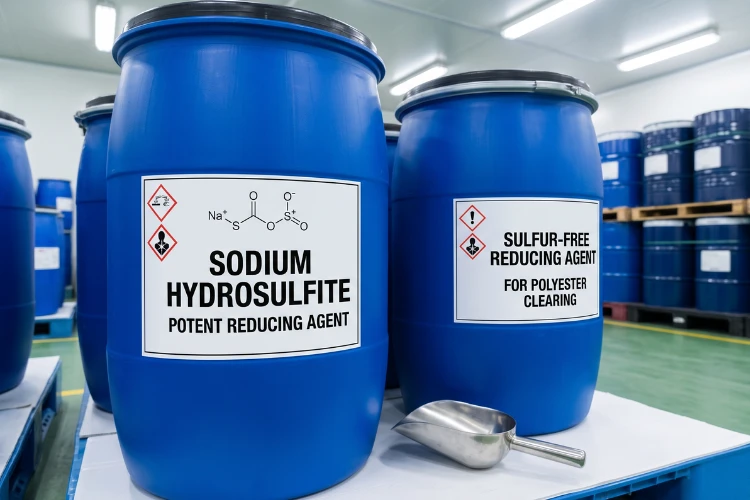
Sodium hydrosulfite, also known as sodium dithionite, is the traditional reducing agent for this process. It is effective and low cost, but it decomposes quickly once dissolved, requires careful storage, and generates sulfur-based byproducts that add to wastewater treatment load.
Sulfur-Free Reducing Agents
Sulfur-free alternatives have gained traction as mills look to simplify effluent treatment and improve process stability. The Sylic D2740 reducing cleaning agent is formulated for acid-based clearing of polyester and its blends, used at a reference dosage of 2 to 6 g/L. On medium and light shades, the bath typically does not need to be drained or water washed before the next step, it is effective at preventing spandex staining, and it does not reduce the brightness of fluorescent whitening agents, addressing three common limitations of conventional hydrosulfite.
Low-Temperature and Sustainable Options
Lower temperature clearing systems are worth evaluating for mills focused on energy savings. Running the clearing step closer to 60°C instead of 80°C or higher, combined with compatible auxiliary chemistry, can maintain fastness performance while cutting fuel consumption and shortening cycle time.
High Wash Fastness Dyes to Reduce Clearing Load
Clearing requirements can also be managed upstream, at the dye selection stage. The Skycron high wash fastness disperse dyes range is built around this principle across three series. The KXF series reaches higher dye fixation after heat setting, which reduces staining on other fibers in polyester-spandex blends and eases the load on wastewater treatment. The SWF series delivers super wash fastness after 180°C heat setting with added resistance to solvents, making it suited to swimwear and other high-performance elastic fabrics. Selecting dyes with stronger inherent fixation can shorten clearing time or lower chemical dosage without compromising final fastness.
| Reducing Agent Type | Key Advantage | Consideration |
| Sodium hydrosulfite | Low cost, widely available | Unstable once dissolved, sulfur byproducts |
| Sulfur-free agents | Stable, spandex-safe, easier effluent treatment | May require dosage adjustment per recipe |
| Low-temperature systems | Energy and time savings | Needs compatible auxiliary chemistry |
Troubleshooting Common Issues
Poor Wash Fastness After Clearing
If fastness testing still fails after clearing, check whether the bath temperature or time was sufficient for the shade depth, and confirm the reducing agent had not degraded before use. Sodium hydrosulfite loses effectiveness quickly once dissolved, especially in warm workshop conditions, so freshly prepared solution matters as much as the recipe itself.
Shade Change or Dulling
Unexpected shade shifts usually point to over-reduction, where the bath has become too strong or run too long and has stripped dye that was actually well fixed. Reviewing dosage against the specific shade depth, rather than applying one fixed recipe to every batch, helps prevent this. Uneven results across a batch often trace back to poor liquor circulation or an incorrect liquor ratio rather than the chemistry itself, so checking machine loading is a useful first step before adjusting the recipe.
Conclusion
Reduction clearing is a small step with a large impact on final fabric quality. Getting the timing, temperature, and chemistry right protects color fastness, prevents costly rejections, and keeps buyers confident in every shipment. To request a free sample or technical consultation on a reducing agent or dye system, contact the Skychem Group technical team.
FAQs
What Happens If You Skip It?
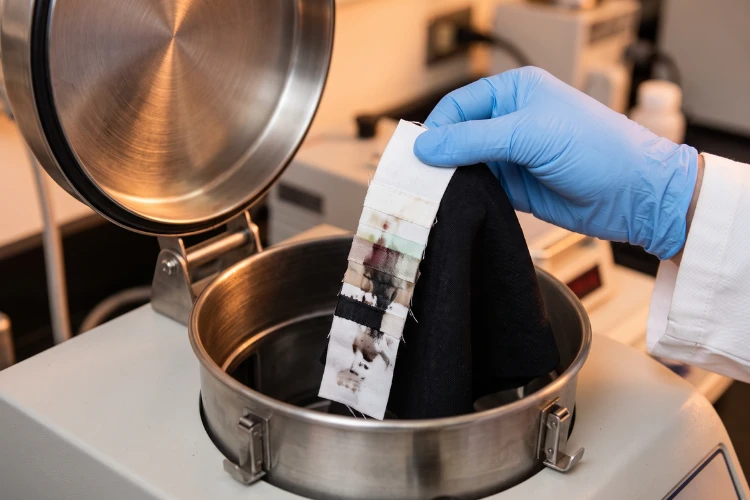
Skipping reduction clearing on shades that need it leaves unfixed dye on the fiber surface. This dye rubs off easily and bleeds during washing, which usually shows up as failed fastness tests, staining on other garments, or a dull, uneven appearance compared with the approved standard.
Reduction Clearing vs Normal Washing?
A hot water wash only rinses away loose surface residue, which is why it works for pale, lightly dyed shades. Reduction clearing uses a reducing agent to chemically break down unfixed disperse dye so it can be removed entirely, a step that plain washing cannot achieve on medium to dark shades.
Can It Be Done at Low Temperature?
Yes. Clearing systems designed to run near 60°C are available and, when paired with compatible auxiliary chemistry, can reach fastness results comparable to a conventional higher-temperature bath while using less energy and time.
Hydrosulfite vs Sulfur-Free Agents?
Sodium hydrosulfite remains the lower-cost, more established option, but its instability in solution and sulfur-based effluent push many mills toward sulfur-free agents, which trade a modest cost increase for more consistent results and simpler wastewater handling.
Related reading: