Cationic dyes produce bright, deep shades on modified polyester, especially CDP and ECDP fibers. Their performance depends on dye chemistry, fiber modification, dyeing temperature, pH control, leveling behavior, and correct auxiliary selection.
What is Modified Polyester?
Modified polyester is polyester that has been chemically adjusted to accept cationic dyes. Standard PET polyester has limited affinity for cationic dyes, so it is usually dyed with disperse dyes. Modified polyester contains anionic dye sites that attract positively charged dye molecules.
This fiber modification allows mills to achieve:
- Brighter shades
- Higher dye uptake
- Differential dyeing effects
- Lower-temperature dyeing in some fiber types
- Better shade contrast in polyester blends
CDP Polyester
Cationic dyeable polyester (CDP) is produced by introducing anionic groups into the polyester polymer chain during synthesis. The most widely used modifier is sodium dimethyl isophthalate-5-sulfonate (SIPM), which is copolymerized with standard PET monomers to create negatively charged dye sites along the fiber.
CDP is typically dyed at around 110°C under pressurized conditions, compared to the 130°C required for standard PET with disperse dyes. The lower dyeing temperature reduces energy consumption and is particularly useful when processing blended fabrics containing heat-sensitive fiber components
ECDP Polyester
Easy cationic dyeable polyester (ECDP) is a further development of CDP technology. It contains a higher concentration of sulfonate groups, which lowers the required dyeing temperature to 100°C or below. This makes ECDP well suited to blended constructions that include wool, elastane, or other temperature-sensitive fibers.
The higher dye site density in ECDP also produces faster dye strike rates. While this improves exhaustion efficiency, it places greater demands on levelness control. Without careful management of heating rate and retarder dosage, the risk of uneven dyeing increases significantly.
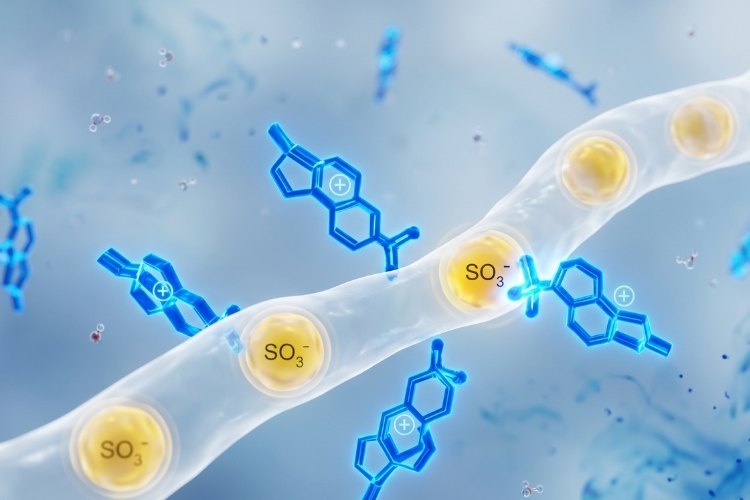
Role of Sulfonate Groups
The most important modification in many cationic dyeable polyesters is the introduction of sulfonate groups. These groups create negatively charged sites in the fiber.
Cationic dyes carry a positive charge. During dyeing, the positive dye ions are attracted to the negative sulfonate sites in the fiber. This ionic attraction is the main reason cationic dyes can produce strong color yield on modified polyester.
Improved Dyeability
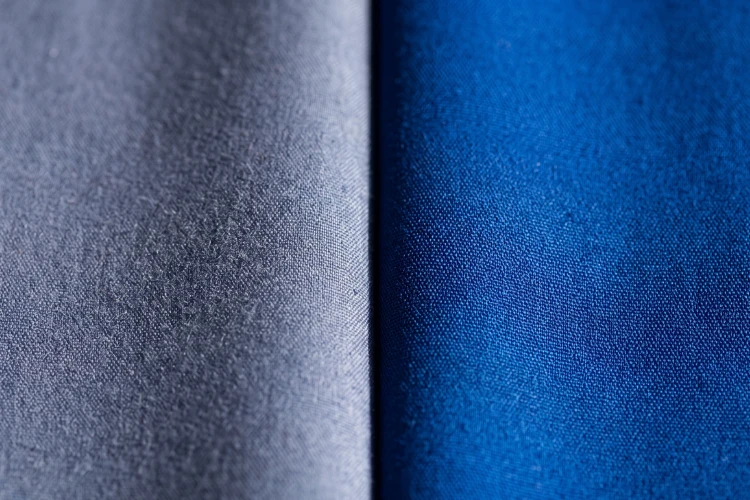
Modified polyester improves dyeability by creating chemical affinity between the dye and fiber. Compared with regular polyester, CDP and ECDP fibers can show stronger dye uptake, brighter shades, and better differentiation in blended fabrics.
This is valuable for mills producing:
- Heather fabrics
- Mélange yarns
- Two-tone polyester fabrics
- Polyester and acrylic blends
- Polyester fabrics requiring brilliant shades
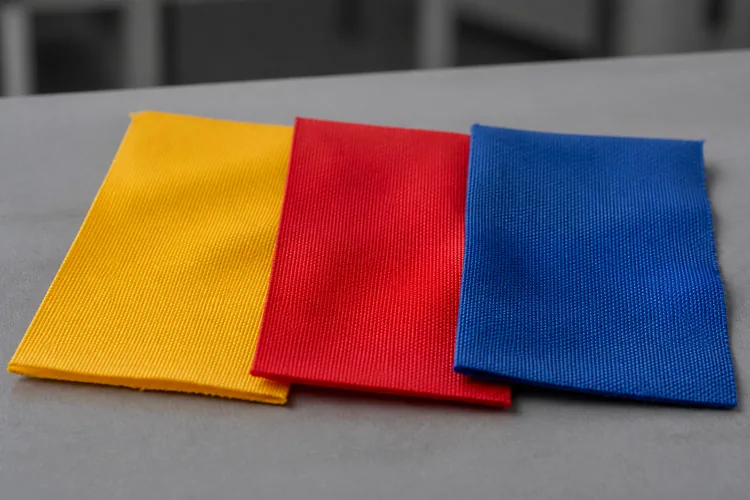
Color brightness is a notable practical benefit. Cationic dyes on CDP and ECDP produce vivid, saturated shades, particularly in blue, red, and yellow, that are difficult to match with disperse dyes on standard polyester.
How Cationic Dyes Bond to Modified Polyester?
Cationic dyeing of modified polyester depends on two key processes: ionic attraction and controlled diffusion. The dye must first move from the bath into the fiber, then bond with anionic dye sites inside the modified polyester structure.
Cationic Dye Structure
Cationic dyes contain a positively charged group and a color-forming chromophore. The chromophore determines the shade, while the cationic group gives the dye affinity for modified polyester.
Dye structure affects shade brightness, solubility, migration, exhaustion rate, fastness, and compatibility with other dyes in the recipe.
Ionic Dye-Fiber Interaction
CDP and ECDP polyester contain negatively charged dye sites, commonly introduced through sulfonate groups. These sites attract the positively charged dye molecules and form ionic interactions inside the fiber.
This strong attraction helps produce high color yield, but it can also cause rapid strike if the process is not controlled. Rapid strike may lead to uneven dyeing, especially in pale shades, large batches, tightly wound packages, or fabrics with poor circulation.
Diffusion and Exhaustion
Before ionic bonding occurs, dye molecules must diffuse into the fiber. Temperature helps increase fiber mobility and improves dye penetration.
Exhaustion refers to the transfer of dye from the dye bath into the fiber. A controlled exhaustion curve is important for level dyeing. Poor temperature control, unstable pH, or insufficient leveling can cause shade variation.
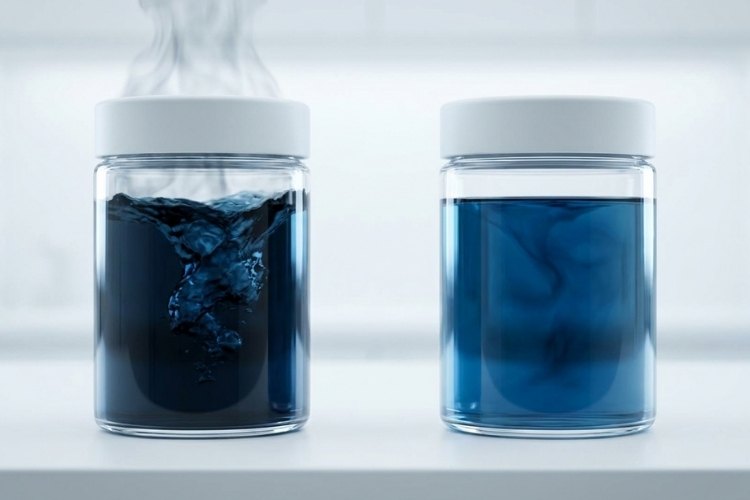
Major Cationic Dye Classes
Cationic dyes for modified polyester are available in different chemical classes. Each class has its own shade range, brightness level, fastness profile, and cost-performance balance.
| Dye Class | Typical Hues | Color Yield | Wash Fastness | Light Fastness | Relative Cost |
| Azo | Yellow, Orange, Red | High | Good | Moderate to Good | Low |
| Methine / Polymethine | Yellow, Orange, Fluorescent | Very High | Moderate to Good | Variable | Low to Medium |
| Anthraquinone | Blue, Violet | Medium to High | Excellent | Excellent | High |
Color yield and fastness should be evaluated by shade, fiber type, dyeing process, and final fabric use. Brilliant dyes do not always give the highest light fastness, while high-fastness dyes may cost more or offer a narrower shade range.
Suitable cationic dyes help mills match CDP, ECDP, and blended polyester fabrics with the required shade depth, brightness, and fastness level. Product selection should be based on fiber type, target shade, processing conditions, and bulk production stability.
Recommended Cationic Dye Series: Skyzon SD
Achieving consistent results on modified polyester requires cationic dyes specifically formulated for CDP and ECDP substrates. The Skyzon SD series is designed for this application, combining strong color performance with practical process control.
Key Characteristics
- Formulated specifically for modified polyester fabrics, including CDP and ECDP substrates
- Excellent wash fastness, rubbing fastness, and light fastness across the shade range
- High strike rate combined with manageable levelness control
- Eco-conscious formulation in compliance with textile industry safety standards
Suitable Applications
- Modified polyester fabric dyeing (CDP and ECDP)
- Polyester blend fabrics, including polyester/cotton and polyester/acrylic
- Apparel fabrics requiring vivid shades, including sportswear and childrenswear
Performance Advantages
- The anionic dye sites in modified polyester form strong ionic bonds with cationic dye molecules, producing high color yield and wash durability
- Dyeing is achievable at comparatively low temperatures, supporting energy savings in production
- Differential dyeing effects are readily achievable, including heather, mélange, and two-tone results
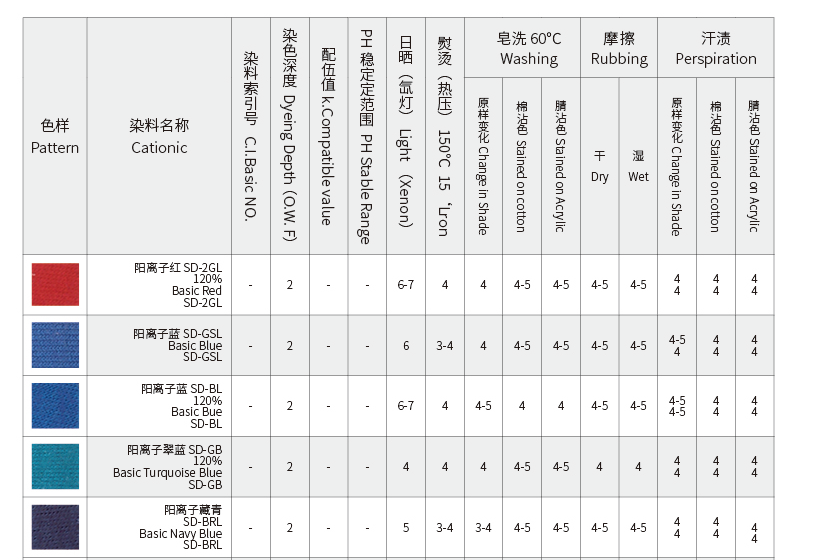
Dyeing Conditions
Cationic dyes have strong affinity for modified polyester, so dyeing conditions must be controlled carefully. The most important parameters are pH, temperature, heating rate, holding time, liquor ratio, and auxiliary selection.
| Parameter | CDP Polyester | ECDP Polyester |
| Dyeing Temperature | 110°C | 95 to 100°C |
| pH Range | 4.5 to 5.5 | 4.5 to 5.5 |
| Heating Rate (critical phase) | 1 to 2°C / min | 1°C / min or slower |
| Typical Hold Time | 30 to 60 min | 20 to 45 min |
| Liquor Ratio | 1:8 to 1:15 | 1:8 to 1:15 |
pH Range
Cationic dyeing of modified polyester is usually carried out under mildly acidic conditions. A common working range is around pH 4.0 to 5.5, although the optimum range depends on the dye, fiber, and mill recipe.
Stable pH helps control dye exhaustion and reduces shade variation. Acetic acid and acetate buffer systems are commonly used, but compatibility should be confirmed during lab trials.
Temperature and Heating Rate
Temperature controls dye diffusion. Conventional CDP polyester often requires higher dyeing temperatures than ECDP polyester. ECDP is usually selected when lower-temperature dyeing is required.
The heating rate should be controlled because cationic dyes can strike quickly. A slower heating rate allows the dye to distribute more evenly before full exhaustion.
General guidance:
- Start dyeing at a low temperature, often around 40 to 50°C.
- Raise temperature gradually.
- Use a slower heating rate for pale shades, sensitive shades, or large batches.
- Follow the fiber and dye supplier’s recommended peak temperature.
- Cool gradually before rinsing to reduce shade and crease issues.
Reference Dyeing Recipe (Skyzon SD Series)
The following recipe provides a practical starting point for dyeing modified polyester with Skyzon SD cationic dyes. Adjust quantities based on shade depth, substrate, and equipment requirements.
| Chemical | Amount (o.w.f.) |
| Acetic Acid (80%) | 1% |
| Sodium Acetate | 1% |
| Anhydrous Sodium Sulfate | 10% |
| Disperser | 0 to 2% |
Dissolve the cationic dye in hot water at 60°C before adding to the dye bath. Adjust the bath pH to 4.0 prior to dyeing. Set the liquor ratio according to the dyeing equipment in use.
Dyeing Time
Hold time at peak temperature is typically 30 to 60 minutes for medium to heavy depths on CDP. ECDP substrates may exhaust faster due to their higher dye site concentration and may require shorter hold times. Running exhaustion checks during process development is a practical way to confirm that the dye has fully struck before cooling and draining the bath. This step reduces the risk of shade variation and improves first-pass success rates in bulk production.
Liquor Ratio
Liquor ratio affects dye movement, chemical concentration, bath circulation, and shade reproducibility. A consistent liquor ratio helps reduce variation between lab dips and bulk dyeing.
Low-liquor-ratio systems can save water and energy, but they require tighter control of dye addition, pH, circulation, leveling agents, and temperature ramping.
Consistent results from cationic dyes on modified polyester depend as much on the auxiliaries in the bath as on the dyes themselves. The Sylic® dyeing auxiliary range includes leveling agents, retarders, and pH stabilizers developed for cationic dyeing systems, supporting level shades, reliable exhaustion, and batch-to-batch reproducibility on both CDP and ECDP substrates.
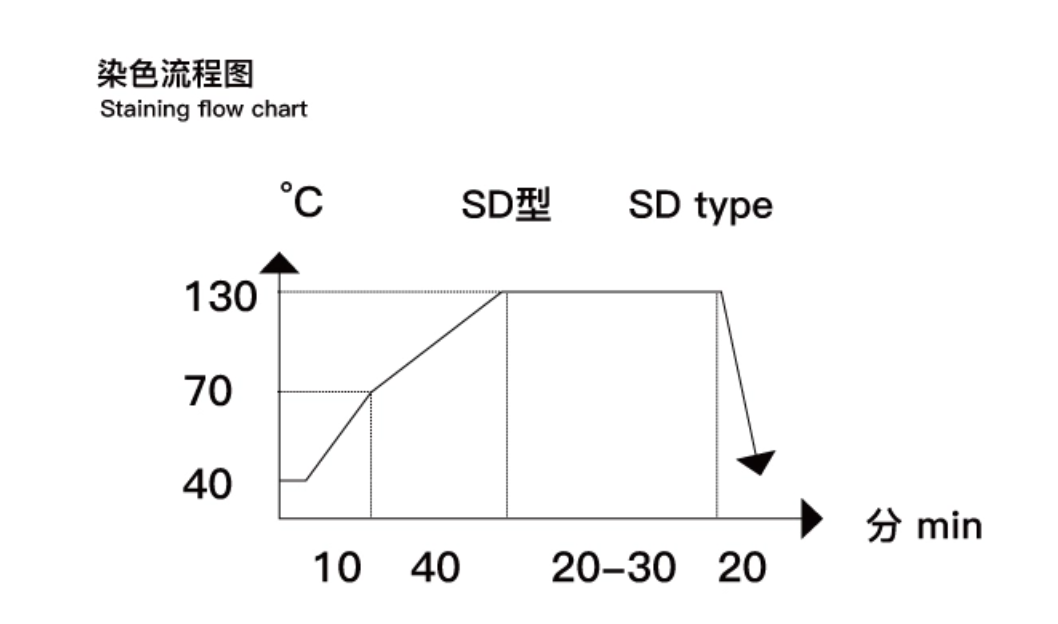
Fastness Properties
Wash and Light Fastness
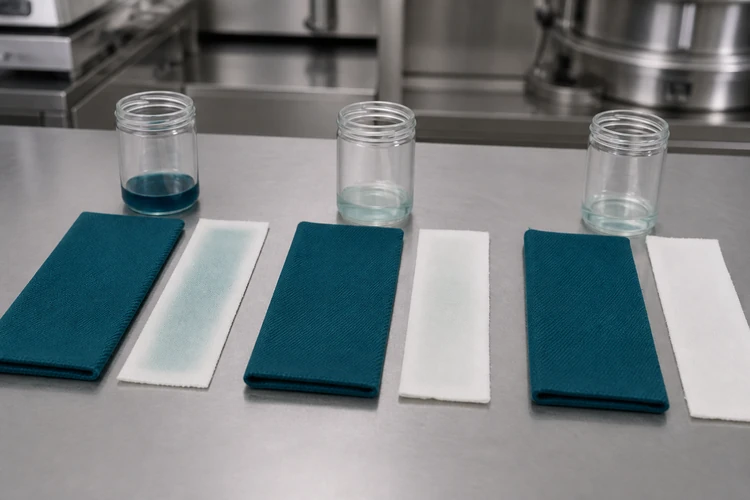
Wash fastness of cationic dyes on modified polyester is generally rated between 4 and 5 under ISO 105-C06, reflecting the strength of the ionic dye-fiber bond. The stable ionic linkage between the cationic dye molecule and the sulfonate site resists both water and detergent effectively.
Light fastness varies more significantly by dye class:
- Anthraquinone types consistently achieve ratings of 5 to 7 on the blue wool scale under ISO 105-B02, making them the preferred choice for applications with sustained UV exposure.
- Azo types typically fall in the 3 to 5 range.
- Methine and polymethine types can range from 3 to 6 depending on the specific grade.
Rubbing and Perspiration Fastness
Dry rubbing fastness on modified polyester typically rates 4 to 5 under ISO 105-X12, while wet rubbing is slightly lower at 3 to 4. Residual surface dye is the primary cause of poor rubbing performance and is largely preventable through thorough post-dyeing washing at the correct temperature.
Perspiration fastness under both acid and alkaline conditions, tested per ISO 105-E04, generally falls in the 3 to 4 range. This level of performance is sufficient for most apparel and home textile applications. End uses with more demanding requirements, such as sportswear or protective workwear, benefit from selecting individual dye grades with higher published perspiration fastness ratings.
Factors Affecting Fastness
Several factors influence final fastness:
- Dye class and molecular structure
- Shade depth
- Fiber type and modification level
- pH stability during dyeing
- Heating rate and holding time
- Washing and aftertreatment efficiency
- Compatibility with softeners, resins, and finishing agents
- Required buyer test method and rating target
Fastness should be evaluated on the final dyed and finished fabric, not only on the dyed fabric before finishing. Some finishing chemicals can affect shade, rubbing fastness, or light fastness.
In Summary
Cationic dyes work on modified polyester because their positive charge bonds with anionic dye sites in CDP and ECDP fibers. Strong results require suitable dye chemistry, controlled pH, correct temperature, stable exhaustion, and compatible auxiliaries. To request pricing or technical support, feel free to contact Slychem Group contact-us.
More readings: