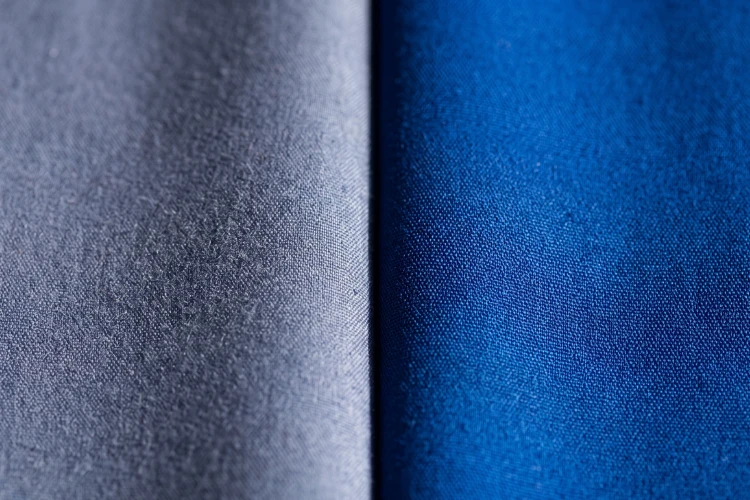
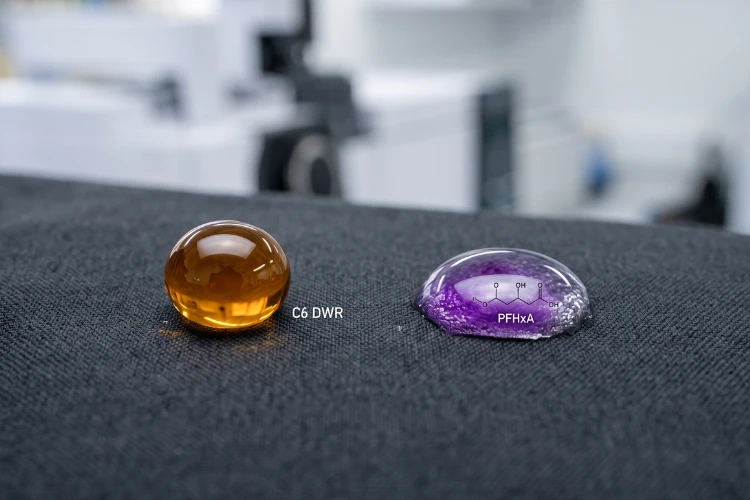
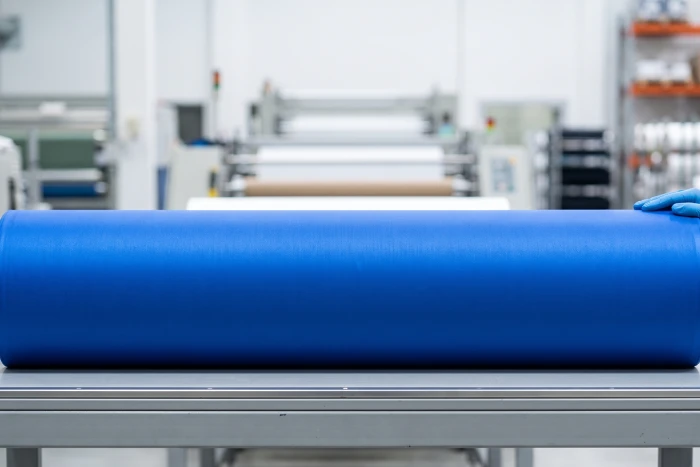
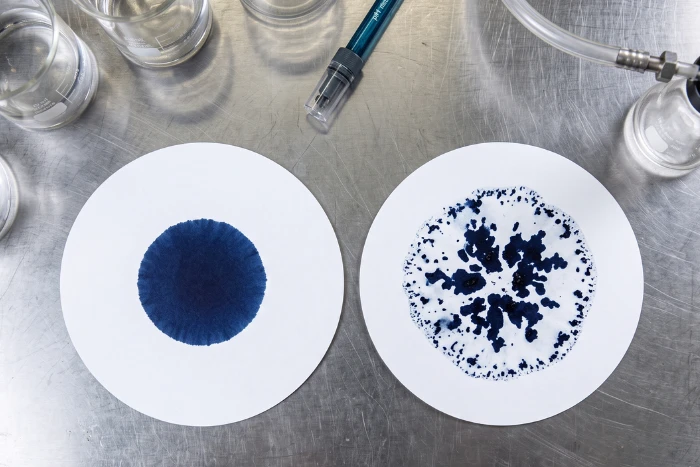
High-temperature dyeing functions as a vital process for textile production because it enables polyester-cotton fabric blends to receive their colors. The selection of appropriate dye together with the optimization of dyeing operations produces stable bright colors and protects the fabric from damage. The process demands complete knowledge about the materials which will undergo treatment together with the most effective dyeing approaches that function well at elevated temperatures.
Dyeing Optimization
Key Process Considerations
The process of high-temperature dyeing needs an environment which maintains strict control over temperature levels and pressure settings and exact dye exposure durations. The dyeing process depends on maintaining ideal dye fixation conditions which prevent color inconsistencies from developing. The fabric experiences damage when temperatures rise excessively but the dyeing process fails to achieve proper coloration when temperatures drop below the required level.
The temperature for polyester-cotton blends typically ranges from 130°C to 140°C, which is necessary to ensure proper dye penetration. The dyeing process at elevated temperatures requires pressure to force dyes into deeper fabric layers which proves most effective with polyester materials. The chemical composition needs particular attention because pH levels and leveling agent applications work together to stop dye movement and prevent streak marks from forming during the process.

Choosing the Right Dye
Selecting the right dye system is essential when dyeing polyester cotton blends under high temperature, high pressure conditions. In real mill practice, the most common and reliable combination is disperse dyes for the polyester component plus reactive dyes for the cotton component. This pairing aligns with how each fiber is built and also meets higher fastness expectations for garments and home textiles.
Reactive vs. Disperse Dyes
Polyester and cotton respond to fundamentally different dye chemistries. Reactive dyes form covalent bonds with cellulose, which is why they are widely used on cotton when wash fastness and overall durability are required. Disperse dyes diffuse into polyester at elevated temperature and are the standard choice for high temperature polyester dyeing, typically around 130°C.
Reactive Dyes
Reactive dyes are the preferred choice for the cotton portion of polyester cotton blends when fastness is a priority. Because they chemically bond with cellulose, they generally deliver stronger wash fastness and better long term shade retention than direct dyes. This is especially important for products that face repeated laundering, higher detergent alkalinity, or customer complaints related to bleeding and staining.
In blend dyeing, reactive dyes also give mills more room to standardize quality, because fixation can be controlled through salt and alkali dosing, temperature profile, and wash off sequence. The tradeoff is that reactive dyeing requires disciplined rinsing and soaping to remove hydrolyzed dye and improve rubbing fastness, but the payoff is higher performance and fewer downstream issues.
Disperse Dyes
Disperse dyes remain the core system for the polyester portion. They are applied as fine dispersions and require high temperature to achieve diffusion into the polyester fiber. At 130°C, disperse dyes can deliver strong depth, good levelness, and stable shade build, provided that dispersion stability, carrier free conditions, and reduction clearing are managed correctly.
For polyester cotton blends, disperse dye selection should also consider the risk of staining the cotton component and the compatibility of the disperse shade with the reactive shade. Proper reduction clearing and appropriate auxiliaries help control surface dye, improve fastness, and reduce back staining.
Practical approach for blends at 130°C
In most operations, the practical route is to treat the blend as two dyeing problems in one fabric: dye polyester with disperse dyes at high temperature, then dye cotton with reactive dyes using a controlled salt and alkali profile, or apply a proven one bath or two bath workflow depending on shade, equipment, and fastness requirements. This fiber matched strategy helps mills achieve more consistent color, improved wash performance, and fewer complaints versus systems that rely on direct dyes for cotton.
Skychem Group supports this approach with dedicated dye ranges for both components. For cotton dyeing programs that prioritize fastness and shade stability, you can review Skychem Group’s reactive dye solutions within its textile color portfolio. For the polyester component in high temperature dyeing, Skychem Group’s disperse dyes are designed to perform under elevated temperature conditions and deliver consistent depth and fastness on polyester and synthetic blends.
Challenges in Dyeing
Dye Migration & Consistency
The main problem which occurs during high-temperature dyeing operations involves the movement of dye particles throughout the fabric. The process of dye migration happens when fabric dyes relocate across different sections of the material which results in uneven color distribution. The dyeing process will produce inconsistent results when operators fail to control its operations at the required level of precision.
To minimize migration, it is crucial to carefully monitor dyeing conditions, including the temperature, time, and pH level. The application of leveling agents functions to distribute dye colors uniformly across all sections of the textile material. The dye requires both proper rinsing and post-treatment procedures to achieve secure fixation which prevents any future movement of the dye.
Fiber Compatibility
Polyester and cotton fibers contain distinct chemical compositions which demand separate approaches for dye application. The process of obtaining consistent dye results from blended fabrics becomes challenging when manufacturers attempt to use only one dyeing method. Polyester fibers need higher temperatures and disperse dyes to achieve proper color absorption but cotton fibers require disperse or reactive dyes at lower temperatures for dyeing.
The solution to this obstacle requires selecting appropriate dyes which need controlled dyeing operations to fulfill the demands of both fiber types. The process of dyeing blended fabrics needs different dye amounts and temperature settings and duration to produce uniform color results between the two fabric materials.

Sustainable Practices
Eco-friendly Dyeing Techniques
The textile sector produces major environmental damage because it consumes large quantities of water while burning power and releasing toxic substances through its fabric coloration operations. As a result, sustainable dyeing practices are becoming increasingly important. Multiple approaches now exist to decrease environmental damage from dyeing operations which focus on high-temperature manufacturing systems.
The process needs to run with closed-loop systems which enable water recycling for dyeing operations. This helps reduce water consumption and wastewater production. Solar-powered dyeing systems operate as eco-friendly solutions because they enable dyeing operations to function without needing electricity from conventional sources. The industry now adopts biodegradable dyes while it works to improve its dyeing operations which reduce both chemical waste and water contamination.
Reducing Environmental Impact
Skychem Group is deeply committed to sustainability and strives to minimize the environmental impact of its textile solutions. We focus on reducing the carbon footprint of textile manufacturing processes by offering advanced, eco-friendly dyeing solutions. Our sustainable practices include using biodegradable, low-impact dyes and integrating water-saving technologies in our processes. Additionally, we ensure that all our dyes meet the highest environmental standards, contributing to safer, greener manufacturing practices.
At Skychem, we also collaborate with our clients to implement energy-efficient dyeing methods that reduce water consumption and improve dye fixation, making our solutions not only effective but environmentally responsible. Check more about our commitment to sustainability and how we’re contributing to a greener textile industry.

Conclusion
The process of high-temperature dyeing for polyester-cotton blended fabrics needs thorough preparation together with selecting suitable dye products. The textile industry can obtain vibrant colors which last over time through proper fiber requirement knowledge and dyeing process optimization and sustainable practice implementation. The textile industry can create vibrant colors which last over time while reducing environmental damage through proper fiber requirement understanding and dyeing process optimization and adoption of sustainable practices.
If you’re looking for more guidance on optimizing dyeing processes, we invite you to contact Skychem Group for expert advice and solutions. Our team is ready to assist you with high-quality, eco-friendly textile solutions. Get in touch today to learn more about our products and services.
Recommended reading: