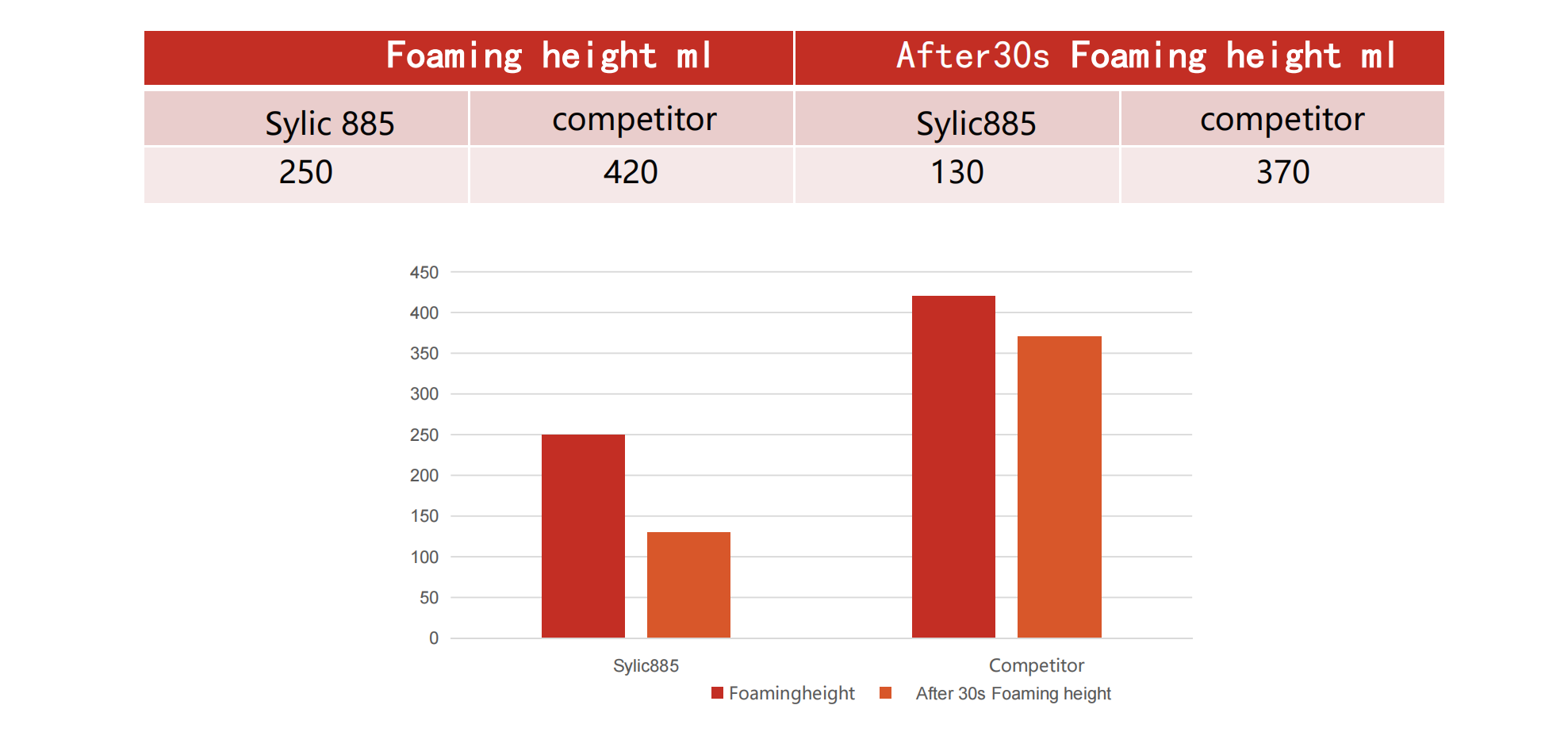
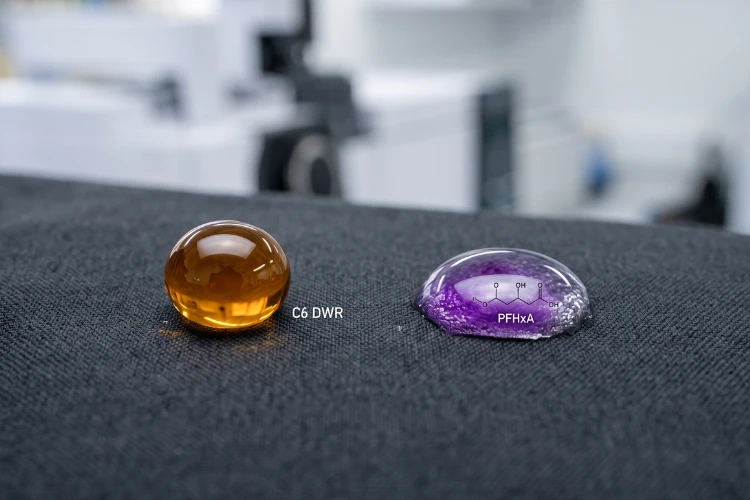
Table of Contents The Chemistry Behind C0 and C6 What is C6 DWR What is C0 DWR Key Structural Differences Performance Comparison Water and Oil Repellency Durability and Wash Resistance Breathability and Hand Feel Global Regulatory Landscape REACH and EU Restrictions US State Regulations Brand and Retailer Requirements Use Cases by Industry Outdoor and Sportswear Workwear and Protective Textiles Home Textiles and Upholstery Choosing the Right Finish Key Factors to Consider Testing and Certification Tips Conclusion FAQs What is the difference between C0 and C6 finishes? Is C6 DWR banned? Does C0 perform as well as C6? How do I choose between C0 and C6? Ask a fabric supplier for a water-repellent finish today, and there is a good chance you will get two very different answers: C6, or C0. Both claim to keep fabric dry. Only one is currently facing phase-out pressure from regulators in the EU, California, and New York, and from major apparel brands. For buyers sourcing water-repellent textiles right now, the choice is no longer just about performance. It is about which chemistry will still be sellable in your target market two years from now. The Chemistry Behind C0 and C6 What is C6 DWR C6 durable water repellent (DWR) finishes use short-chain fluorocarbon polymers, specifically six-carbon fluorinated side chains, to coat individual fibers. This chemistry lowers the surface energy of the fiber to roughly 12 mJ/m², which is below the surface tension of most water and oils. As a result, C6 finishes deliver both water and oil repellency, a combination that few fluorine-free systems can fully match. C6 chemistry replaced older C8 fluorotelomer finishes over a decade ago. C8 degrades into PFOA, a substance known for being persistent and bioaccumulative in the environment. C6 degrades into perfluorohexanoic acid (PFHxA) instead, which has a shorter environmental half-life and lower bioaccumulation potential. However, PFHxA is not free of regulatory scrutiny, as covered in the compliance section below. For buyers sourcing C6 products, formulations such as the Skyguard C6-C8 Waterproofer combine water and oil resistance with good wash fastness on both cellulose and synthetic fibers, applied at typical dosages of 10 to 40 g/L, and are produced without PFOS, PFOA, or APEO. What is C0 DWR C0 refers to fluorine-free water repellent chemistry. Instead of fluorocarbon side chains, C0 finishes rely on dendrimer, wax, or polyurethane-based polymers to build a hydrophobic fiber surface. These systems typically reach a surface energy of 20 to 25 mJ/m², which is sufficient to repel water effectively but generally not enough to provide strong oil repellency. Demand for C0 finishes is growing quickly because they carry no PFAS-related compliance risk, a factor that matters more each year as regulatory scope widens. Ranges such as the Skyguard Fluorine-free Waterproofer line are applied at roughly 10 to 80 g/L depending on the durability required, contain no APEO, and are built for fabrics where oil repellency is not a functional requirement, including most outerwear, home textiles, and fashion applications. Key Structural Differences Attribute C6 (Fluorocarbon) C0 (Fluorine-Free) Surface energy Approx. 12 mJ/m² Approx. 20 to 25 mJ/m² Water repellency Excellent Good to excellent Oil repellency Yes Limited or none PFAS content Present (PFHxA-based) None Typical curing temperature 150 to 160°C 160 to 180°C Performance Comparison Water and Oil Repellency C6 finishes remain the benchmark wherever oil, grease, or organic stain resistance is needed alongside water repellency, such as workwear exposed to machine oils or food-contact aprons. C0 finishes have closed most of the gap on pure water repellency, with many recent formulations achieving results comparable to C6 under standardized water resistance testing. On oil-based stains, however, C0 finishes still fall short. Durability and Wash Resistance Both chemistries rely on physical adsorption when first applied to the fabric, and this bond weakens progressively with repeated laundering and detergent exposure. A crosslinking agent extends wash durability by binding DWR polymer chains to each other and to reactive groups on the fiber surface, converting a loosely adsorbed coating into a chemically anchored one. The Sylic Cross-linking Agent, for example, is dosed in the same bath at 10 to 30 percent of the water repellent quantity, contains no APEO, PFOA, PFOS, or formaldehyde, and is compatible with both C6 and fluorine-free systems, making it a practical add-on when a finish needs to withstand 20 or more industrial or home wash cycles. Breathability and Hand Feel Both C0 and C6 finishes coat the fiber surface rather than filling the pore spaces between yarns, so breathability is generally preserved at correct application levels. Two factors most often compromise this balance: Overdosing the finish, which can partially block inter-yarn porosity and stiffen the fabric hand Uneven bath concentration, which creates localized high-add zones across the fabric width C0 finishes sometimes require slightly higher application levels to match C6 water repellency, which makes dosing accuracy and bath uniformity especially important for maintaining a soft, breathable result. Global Regulatory Landscape REACH and EU Restrictions The EU regulates PFAS in textiles under REACH Annex XVII. A restriction on PFHxA, the degradation product of C6 chemistry, takes effect in the EU and EEA from 2026, and a broader restriction covering the wider PFAS family is currently under evaluation by the European Chemicals Agency. Buyers and brands sourcing for the EU market should treat C6 as a chemistry under increasing regulatory pressure rather than a long-term safe option, and should monitor ECHA’s PFAS regulatory updates for the latest scope and timelines. US State Regulations Regulation is not limited to the EU. Two US states have already enacted PFAS restrictions specific to textiles and apparel: California AB 1817 bans the manufacture, distribution, and sale of new textile articles containing intentionally added PFAS above 100 ppm total organic fluorine as of January 1, 2025, dropping to 50 ppm from January 1, 2027. Outdoor apparel for severe wet conditions has an extension until January 1, 2028. The full requirements are set out in the official bill text. New York Environmental Conservation Law § 37-0121 prohibits the sale of new apparel