In the synthetic textile dyeing process, where polyester, nylon, and acrylic are still synthetic fibers, one of the most technical problems is to achieve a uniform color when using polyester, nylon, or acrylic. Synthetics are hydrophobic, and dyes cannot penetrate, especially on the natural fibers, and this results in patchy, streaky, or uneven coloration.
Here is where leveling agents prove to be extremely useful, that is, serving as an intermediary between the dye, fiber, and dye bath, where a uniform coloration of high quality is required.
Dyeing Challenges in Synthetic Fibers
There are challenges with dyeing synthetic fibers. It is necessary to identify the frequent dyeing issues of synthetic fibers before understanding the significance of leveling agents.
1. Uneven Dye Uptake
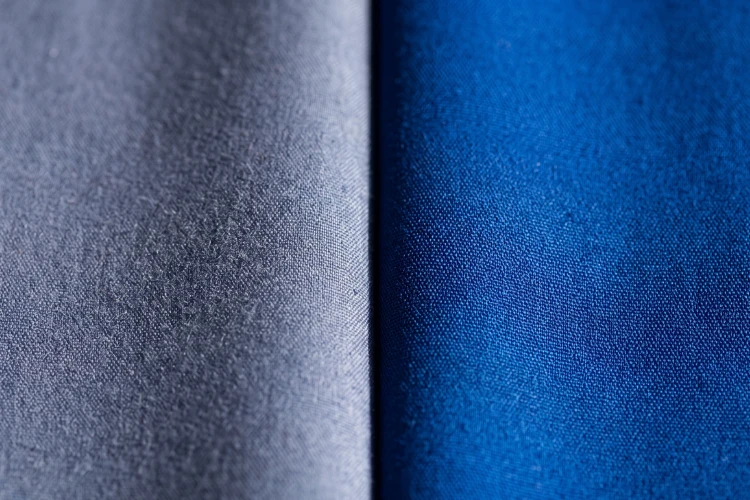
Synthetic fibers such as polyester and nylon do not absorb moisture, and hence dyes find it difficult to penetrate through the fiber structure at the same rate. This can cause some sections of the cloth to take in more dye than others, resulting in patchy or streaky colorings. This issue becomes even more pronounced in dense fabrics or tightly woven materials, where diffusion is slower.
2. Poor Migration and Diffusion
Poor migration is another significant problem: the capacity of the dye to move between two regions of the fiber surface during the dyeing. Without adequate migration, any original non-uniform distribution of dye cannot be self-corrected, and a dye-mark left by it and uneven shades result.
3. Sensitivity to pH and Electrolyte Changes
A synthesis process of dyeing is very sensitive to variations in the bath conditions, including pH, temperature, and concentration of electrolytes. Any slight variability can influence the dye depletion and bonding and result in some difficulties in obtaining the same results when working with different production batches.

How Leveling Agents Solve These Challenges
In the dyeing process, the agents that level are considered the equalizers. They are mainly used to regulate the level of absorption of dye molecules into the fiber. They decelerate dye uptake and increase migration by momentarily creating complexes with dye molecules or changing the surface of the fibers. This is to make sure that there is ample time to evenly cut the dye before fixation takes place.
Modern leveling agents also serve multiple purposes beyond equalizing color:
- Improving dye solubility and dispersion.
- Reducing streaking and blotching.
- Stabilizing dye baths against pH or temperature changes.
- Enhancing reproducibility between dye lots.
In short, leveling agents perform the job of closing the distinction between the chemical characteristics of synthetic fibers and the physical characteristics of dyes to produce smooth and consistent shades that qualify as top-tier textile qualities.
Leveling Technologies for Different Fiber Systems
The various synthetic fibers react differently to the various dyeing systems, and each category may need different leveling technologies to achieve the best uniformity of color and dye fixation.
Nylon Dyeing (Acid Dye System)
Acid dyes are mostly used in dyeing nylon, and they bind well with the amine groups present in the fiber. Nevertheless, this affinity may cause uneven dye uptake very rapidly. Nylon retarders, which are used to level agents, therefore, retard dye absorption to enable a uniform penetration.
Such agents are commonly found on anionic surfactants, which are competitors to the dye on binding sites, so that the coloration develops slowly. Wetting and dispersing components are also added to modern formulations to enhance the spread of the dye and less streaking.
Polyester Dyeing (Disperse Dye System)
Polyester is particularly difficult to dye due to its hydrophobic property. Polyester leveling agents are developed to promote the diffusion of dyes, especially high high-temperature dye baths, into the fiber structure and achieve an even distribution of dye.
Among the high-performance products that Skychem’s textile chemicals solutions offer, there are the advanced dispersants and carriers that provide the stability of dye particles even in the presence of strong heat and pressure. These leveling agents prevent spot dyeing, enhance the depth of shade, and allow high levels of reproducibility across batches.
Related article: How to choose a leveling agent for disperse dyes?
Acrylic and Blended Fibers
The acrylic fibers that are frequently stained with cationic dyes present their own challenges with ionic actions and unpredictable reactivity of the fibers. All these acrylic agents are frequently leveled with cationic or amphoteric agents that control dye depletion and dye-fiber affinity.
In the case of blended fabrics (e.g., polyester-cotton or nylon-wool), multifunctional leveling agents are employed. These equations bring together several dye systems at once, so that there is a uniform tone among fibers of varying affinities.
Leveling Technologies Trend
With sustainability emerging as a central issue in textile production, the functions of the leveling agents are extended beyond the aspect of color homogeneity. The most recent tendencies in the industry are oriented to eco-friendly, low-foaming, and biodegradable leveling agents to reduce the wastewater load and enhance the quality of effluents.
Manufacturers are coming up with high-efficiency formulations that work with less dosage and with low-liquor-ratio dyeing systems. Also, new-generation products are being developed such that they can work well with varying dyeing conditions – minimizing reprocessing and energy usage.
Innovations in major suppliers such as Skychem, a reputable producer of textile chemicals, indicate this move towards greener chemistry. Their developed auxiliaries not only improve on dyeing but also the standards of cleaner production in tandem with the world sustainability objectives.
Find Advanced Dyeing Support Solutions
Regardless of the polyester, nylon, or mixed fabrics, it means perfection of shade consistency and smoothness with the help of an appropriate chemical support. To find out the next-generation auxiliaries that not only deliver performance but also environmental responsibility, visit Skychem’s textile chemical solutions. Find a variety of leveling, dispersing, and finishing materials designed to be precise for dyeing and stable in the long-term process.
Conclusion
In contemporary synthetic fiber dyeing, leveling agents are essential, converting difficult to dye such as polyester and nylon into a textile with a gorgeous, uniform finish. They inhibit disproportional dye absorption, stabilise dye batches, and produce consistent and reproducible shades in various batches and fabric types.
With the textile industry still focusing on the importance of sustainability and uniformity, the high level of leveling technologies is redefining the ways the quality and the environmental friendliness of colors. Choosing the right textile chemicals manufacturer, such as Skychem, can help textile producers achieve not only flawless color results but also a more sustainable and efficient dyeing process.
Recommended readings: