...

Contact Skychem Group for more chemical solutions, If you have questions or need more information, please contact us.
Respond within 24 hours

Catalase for Residual Peroxide Removal Before Reactive Dyeing

Hydrogen peroxide bleaching creates a uniform white base for dyeing cotton and other cellulosic textiles. Peroxide left in the fabric and processing liquor, however, can interfere with oxidation-sensitive dyes.

Catalase breaks down residual hydrogen peroxide into water and oxygen. With suitable bath conditions and endpoint testing, it provides a controlled cleanup step before reactive dyeing and may reduce rinsing performed specifically for peroxide removal.

Why Remove Residual Peroxide?

Draining the bleach bath removes most of the processing liquor, but liquid retained in the textile can carry peroxide into the next operation.

Residual peroxide can affect oxidation-sensitive reactive dyes, potentially changing shade depth or hue. The effect depends on dye chemistry, peroxide concentration, and exposure conditions.

Inconsistent carryover can also reduce batch reproducibility. Even with an unchanged dyeing recipe, differences in preparation may alter the conditions under which coloration begins.

Controlling residual peroxide removes one source of variation before dye exhaustion and fixation. It does not, however, resolve problems caused by uneven absorbency, water quality, or inaccurate chemical dosing.
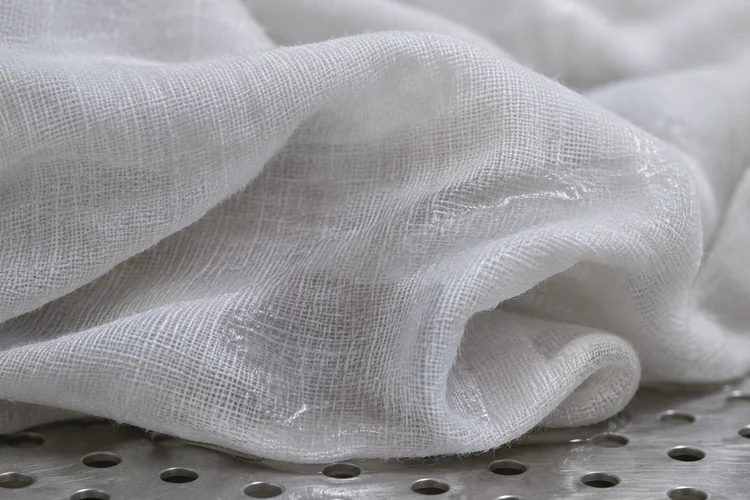
Damp cotton plain-weave fabric resting on a perforated stainless steel tray.

How Catalase Works

Catalase accelerates the decomposition of hydrogen peroxide:

2 H₂O₂ → 2 H₂O + O₂

Textile formulations containing catalase are commonly called peroxide removal enzymes, enzymatic bleach cleanup agents, or peroxide killers.

Catalase removes peroxide but does not neutralize residual alkali or remove impurities released during scouring. Washing and pH adjustment must therefore be assessed separately.

This distinction determines the potential for water savings. Enzyme treatment may replace rinses used specifically to reduce peroxide, while washing required to remove impurities and other preparation chemicals remains necessary.

Using Catalase Before Reactive Dyeing

For batch processing, use the following sequence as a starting point and adapt it to the formulation, substrate, and equipment:

  1. Complete bleaching and necessary washing. Remove preparation liquor and impurities according to the established process.
  2. Check starting conditions. Measure residual peroxide, bath pH, and temperature.
  3. Adjust the bath. Bring conditions within the product’s recommended application range.
  4. Add catalase and circulate. Follow the specified addition procedure and treatment time.
  5. Verify peroxide removal. Confirm the acceptance criterion before establishing reactive dyeing conditions.

Dosage and Operating Conditions

Catalase dosage cannot be separated from enzyme activity, peroxide load, and treatment conditions.

Factor Effect on treatment Practical control
Initial peroxide concentration Determines the load to be removed Measure before enzyme addition
Enzyme activity and dosage Influences treatment capacity and speed Review activity units, test methods, and dosage guidance
Bath pH Affects activity and stability Measure actual bath pH
Temperature Affects reaction rate and enzyme stability Follow application limits
Treatment time Allows the process to reach its endpoint Confirm through peroxide testing
Circulation Provides contact with liquor retained in the material Check loading, liquor flow, and fabric movement
Chemical compatibility Remaining auxiliaries may influence performance Trial the production recipe

A general stability range is not necessarily a recommended operating range. Set dosage, pH, temperature, and time together using the product’s application instructions.

Before increasing dosage to correct incomplete treatment, check bath conditions and circulation. Additional enzyme may offer little improvement when contact is inadequate or conditions are unsuitable.

Same-Bath Dyeing

Reactive dyeing can follow in the catalase treatment bath when the formulation and validated process permit it.

Before retaining the bath, confirm adequate peroxide removal, fabric cleanliness, and compatibility of the remaining chemicals with the dyeing recipe. Adjust pH and temperature as required.

Same-bath dyeing does not necessarily mean retaining the original bleach liquor. A process may include draining, washing, and refilling before catalase treatment, followed by dyeing without another rinse.

Verifying Peroxide Removal

Use peroxide test strips with a suitable measurement range or a validated analytical method. Follow the method’s instructions for sample preparation, temperature, pH, and reading time.

The method must be sensitive enough for the mill’s acceptance criterion. A result below a test strip’s detection limit means peroxide was not detected by that method, rather than proving absolute absence.

Sample after adequate circulation, using a consistent location and procedure. Where fabric carryover is a concern, include an appropriate check of liquor expressed or extracted from the material.

Record the starting peroxide concentration, treatment conditions, enzyme dose, and final result. Visible bubbling cannot replace testing because oxygen release does not quantify the peroxide remaining.

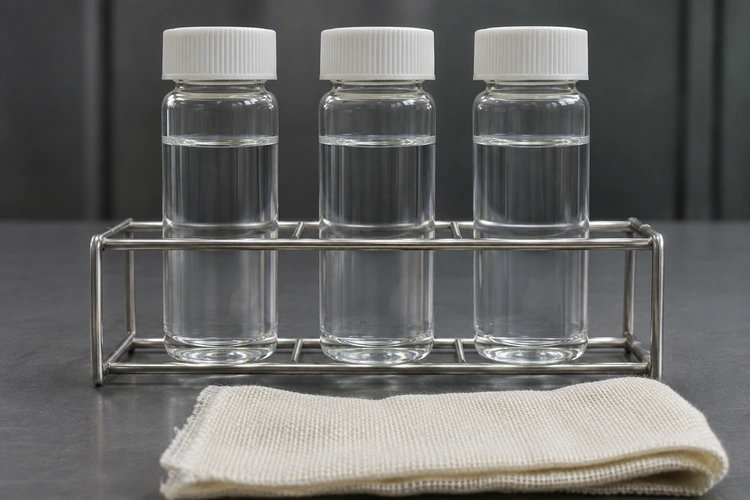
A gloved hand holds a peroxide test strip above a clear liquid sample beside white cotton fabric.

Troubleshooting Catalase Treatment

Peroxide Remains

Check the initial peroxide load, delivered dose, pH, temperature, and treatment time. Review product storage and shelf life, then inspect circulation and machine loading.

Laboratory and Production Results Differ

Compare starting peroxide concentrations, liquor ratio, loading, temperature profile, and mixing conditions. Laboratory results establish a starting recipe; production trials confirm whether it performs consistently in the machine.

Shade Variation Continues

After confirming peroxide removal, review absorbency, preparation uniformity, water quality, and dosing accuracy.

Check the broader reactive dyeing process parameters, including salt and alkali addition, temperature control, and liquor ratio. Peroxide cleanup supports shade consistency, but the subsequent dyeing stages still require control.

Selecting a Textile Catalase

Match the formulation to the expected peroxide load, available bath conditions, and treatment time.

Sylic B6161 Catalase (CY-142H) is intended for residual peroxide removal after bleaching. Its application guidance provides the following starting conditions:

  • Reference dosage: 0.1 g/L, subject to verification against the actual peroxide load.
  • Treatment temperature: 30–50°C.
  • Treatment time: 15–20 minutes.
  • Optimum operating temperature: 40°C.
  • Best stated pH stability: pH 6–8.

These parameters fit a moderate-temperature cleanup stage with controlled bath pH. The pH stability information should be considered alongside application guidance, rather than treated as a complete operating specification.

For a process that must run hotter, remain strongly alkaline, or finish in less time, confirm suitability through testing before changing the recipe. The reference dosage and holding time do not guarantee the endpoint under every production condition.

When comparing products, review enzyme activity and its measurement method, application limits, compatibility, storage requirements, and technical support. Equal product weights do not necessarily deliver equal catalytic activity.

Evaluate total treatment cost per tonne of fabric, including enzyme consumption, water, energy, and cycle time. Compare the proposed treatment with the existing process using similar material and starting conditions, then assess peroxide removal, shade consistency, and resource use.

For an application trial, provide the substrate, machine type, liquor ratio, initial peroxide concentration, bath pH, temperature, and available treatment time.

Blue cotton plain-weave swatches arranged in stainless steel dishes beside a laboratory dye pot.

FAQs

Is a peroxide killer always a catalase enzyme?

No. The term describes a function. Products may use enzymatic or chemical mechanisms, so confirm the composition before selecting a treatment procedure.

Can the same catalase dosage be used for every batch?

A standard dose can be established for a controlled process, but changes in peroxide carryover or operating conditions may require adjustment. Verify performance through routine endpoint testing.

Does catalase neutralize residual alkali?

No. Residual alkalinity requires separate assessment and, when necessary, pH adjustment.

Is rinsing necessary after catalase treatment?

An additional rinse may be omitted when the validated process allows same-bath dyeing. Bath cleanliness, residual chemicals, and dyeing compatibility determine whether this is appropriate.

What peroxide level is acceptable before reactive dyeing?

Use a criterion validated for the dye system and analytical method. A single numerical limit should not be assumed suitable for every shade and process.

Sandy

With years of experience in chemical dyes and textile auxiliaries, I’m dedicated to sharing insights into the latest technologies, sustainable innovations, and market trends.

Recent Articles

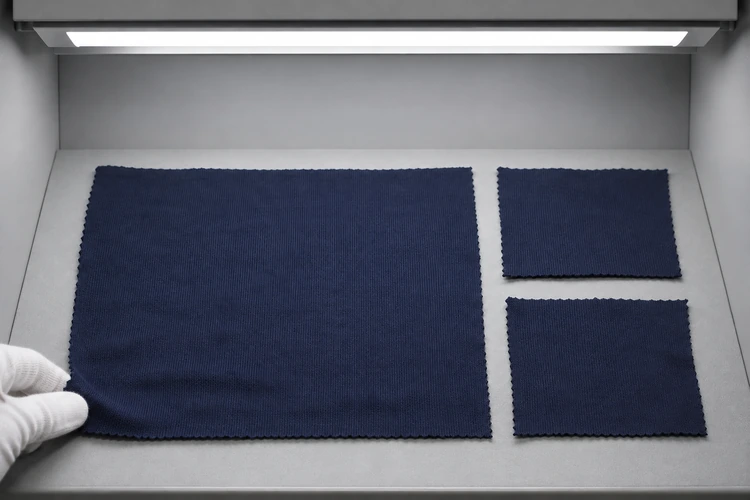
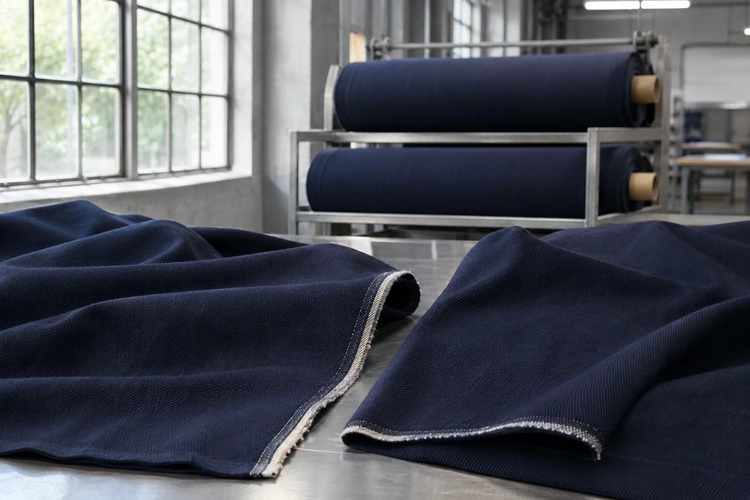
Navy cotton twill laid out for mill quality inspection.

How to Improve Wet Rubbing Fastness on Cotton?

Table of Contents How Wet Rubbing Fastness Improvers Work Surface Protection and Reduced Color Transfer Rubbing Improvers vs. Dye Fixing Agents Performance Limits on Cotton Selecting the Right Improver Matching the Dye or Pigment System Chemistry and Ionic Character Fastness, Handle, Shade, and Absorbency Application on Cotton Washing-Off and Fabric Preparation Padding vs. Exhaust Treatment Dosage and Bath Conditions Drying and Curing Requirements Compatibility with Textile Auxiliaries Silicone and Non-Silicone Softeners Dye Fixing Agents and Anionic Residues Same-Bath vs. Separate-Bath Treatment Validating Treatment Performance Test Methods and Target Grades Individual vs. Combined Finishes Wash Durability and Fabric Properties Troubleshooting Common Problems Insufficient Fastness Improvement Bath Instability and Uneven Finishing Shade Changes and Stiff Handle Dark cotton can match an approved shade and pass washing fastness tests, yet still transfer color when rubbed with a wet cloth. For dyehouses and finishing mills, the challenge is to improve wet rubbing fastness without compromising shade, softness, or absorbency. Wet rubbing fastness improvers are finishing auxiliaries designed to reduce this transfer, also known as wet crocking. Effective treatment depends on choosing a formulation suited to the colorant and fabric, applying it evenly, and verifying its performance with the complete finishing recipe. How Wet Rubbing Fastness Improvers Work Surface Protection and Reduced Color Transfer Rubbing transfers color from the fabric surface to another material through mechanical contact. Water can make that transfer more severe, so a good dry rubbing result does not automatically mean acceptable wet rubbing performance. Film-forming improvers deposit a polymer layer that helps hold surface colorants in place. Depending on the formulation, the finish may also alter surface friction. Effective protection requires an evenly distributed film with suitable adhesion, flexibility, and resistance to wet rubbing. Rubbing Improvers vs. Dye Fixing Agents Conventional dye fixing agents for reactive- and direct-dyed cotton generally reduce the mobility or water solubility of dye remaining on the fabric. Depending on their chemistry, they can improve washing fastness and may also contribute to rubbing fastness. A rubbing improver targets mechanical color transfer, often through surface film formation. The functions can overlap, so commercial names alone are insufficient for selection. Compare wet rubbing results on the actual fabric, alongside any washing fastness requirements. Performance Limits on Cotton Finishing works best on properly processed fabric. Substantial loose color, inadequate washing-off, and a poorly formed pigment binder film should be investigated before selecting an after-treatment. Deep shades and raised or brushed fabrics can be particularly demanding because of accessible surface color and colored fiber debris. Evaluate the improvement from the starting grade and confirm that the final result meets the buyer’s requirement. Selecting the Right Improver Matching the Dye or Pigment System Start by identifying how the cotton was colored. The same low wet rubbing grade can arise from different causes. Cotton coloration What to check first Selection priority Reactive dyes Fixation and removal of hydrolyzed or unfixed dye Performance on the specific shade after adequate washing-off Direct dyes Residual mobile dye and the existing fixation treatment Rubbing improvement alongside acceptable washing fastness Sulfur dyes Oxidation, washing, and loose surface color Suitability for the dye system and subsequent finishing conditions Indigo denim Surface color transfer and the intended washed appearance Performance after the relevant garment washing or finishing sequence Pigment dyeing or printing Binder distribution, adhesion, and curing Compatibility with the binder system and acceptable fabric handle Chemistry and Ionic Character Select wet rubbing fastness improvers according to polymer chemistry, ionic character, solids content, and application requirements. For waterborne polyurethane formulations, evaluate film adhesion, flexibility, and wet rubbing resistance on the intended fabric. Polymer type and solids content alone do not predict the final result. Ionic character provides an initial compatibility screen, but products with the same classification can still differ in bath stability and deposition. The complete recipe requires testing. Distinguish product pH from working-bath pH. The pH measured at a specified product dilution describes that test solution; it does not automatically define the required application pH. Fastness, Handle, Shade, and Absorbency The preferred product meets the fastness requirement while preserving the properties needed for the end use. A finish acceptable for heavy cotton trousers may be unsuitable for an absorbent towel or a lightweight knit. Assess these properties together: Handle: softness, flexibility, surface smoothness, and any tackiness. Shade: changes in depth, hue, or appearance after drying and heat exposure. Absorbency: water uptake or wicking where required by the product specification. Durability: retention of the improvement after the specified laundering process. Compare treatment costs at the dosage that achieves an acceptable result. Price per kilogram of chemical is less useful when products differ in concentration, application efficiency, or processing requirements. Application on Cotton Washing-Off and Fabric Preparation For reactive-dyed cotton, remove unfixed and hydrolyzed dye before applying the improver. The Sylic D2703 soaping agent for reactive-dyed cotton uses an anionic polycarboxylic acid polymer to disperse removed dye and help limit redeposition during washing-off. Rinse thoroughly to remove residual soaping chemicals, salt, and alkali. Neutralization adjusts pH but does not replace rinsing. Before treatment, check fabric pH, absorbency, and the baseline wet rubbing grade. Poor or uneven wetting can produce uneven chemical deposition even when the bath concentration is correct. Padding vs. Exhaust Treatment Padding applies the product through a finishing bath followed by controlled squeezing. Consistent wet pickup is essential because it determines how much treatment liquor remains on the fabric. Exhaust treatment uses a bath in which the product deposits onto the substrate over time. Deposition depends on formulation, fabric affinity, liquor ratio, temperature, and treatment time. A product’s suitability for padding does not establish its suitability for exhaustion. Sylic FU5523A polyurethane wet rubbing fastness improver is a weakly cationic, waterborne polyurethane formulation with 30% solids for cotton and cotton-blend fabrics. It can be applied by padding or immersion, depending on the available equipment and fabric form. Reference starting conditions are: Padding: 30–50 g/L, one dip and one nip, with 80–85% wet pickup, followed by drying. Immersion in washing factories: 2–4% on fabric weight, a 1:10–1:20 liquor ratio,

Explore More »
Polyester knit swatches under controlled viewing light.

How to Remove Spin Finish From Polyester Before Dyeing?

Table of Contents Why Remove Spin Finish Before Dyeing? Spin Finish and Processing Oils Oil Spots and Uneven Dyeing How De-Oiling Agents Work Wetting and Oil Emulsification Dispersion and Redeposition Control Choosing a Polyester De-Oiling Agent Cleaning Performance and Low Foaming Temperature and pH Stability Dye and Auxiliary Compatibility Separate Scouring vs. One-Bath Dyeing Oil Load and Fabric Conditions Quality, Time, and Resource Use Scouring Polyester Before Dyeing Dosage, pH, Temperature, and Time Rinsing and Residual Oil Checks One-Bath Scouring and Dyeing De-Oiling Under Dyeing Conditions Addition Sequence and Heating Bath Stability and Oil Carryover Verifying Results and Troubleshooting Residual Spin Finish and Shade Uniformity Persistent Oil Spots and Redeposition Oil Residues vs. Oligomer Deposits FAQ Does one-bath de-oiling eliminate reduction clearing? Can the same de-oiling recipe be used for polyester-elastane blends? Residual spin finish and processing oils can contribute to oil spots, uneven shades, and deposits during polyester dyeing. Polyester scouring and de-oiling agents help release these contaminants and keep them dispersed until the treatment liquor is discharged. Choosing between separate scouring and one-bath scouring and dyeing depends on the oil load, fabric history, and compatibility of the complete recipe. The goal is consistent cleaning and shade quality with an efficient process. Why Remove Spin Finish Before Dyeing? Spin Finish and Processing Oils Spin finish is applied during synthetic fiber production to provide lubrication and static control. Depending on the formulation, it may contain lubricants, emulsifiers, antistatic components, and other additives. Polyester can also pick up knitting oils, weaving lubricants, machine oil, and handling contamination. Woven goods may carry sizing materials that require a separate desizing strategy. These contaminants respond differently to cleaning. A recipe that removes fresh knitting oil may struggle with a different finish chemistry or residues altered by heat-setting. Record the fabric’s processing history before transferring an established scouring recipe to a new lot. Oil Spots and Uneven Dyeing Residual oils can interfere with uniform wetting and contribute to localized dyeing defects. Oil released into the bath may also collect on machine surfaces and transfer back to the goods. Reliable preparation therefore supports the entire polyester dyeing process, from consistent bath contact to repeatable shade development. How De-Oiling Agents Work Wetting and Oil Emulsification Surfactants help the liquor spread across the polyester surface and penetrate the fabric structure. Emulsifying components help detach and distribute oily material as droplets in the aqueous bath. The formulation must match both the contaminant and the treatment conditions. Product names such as scouring agent, degreasing agent, and de-oiling agent often overlap, but the names alone do not establish equivalent performance. Dispersion and Redeposition Control Releasing oil is only part of the job. The bath must keep removed contaminants distributed until they can be discharged and washed away. Poor dispersion, inadequate rinsing, or contaminated equipment can return material to the fabric. One-bath processing places greater demands on dispersion because released oils remain in the liquor during dyeing. Choosing a Polyester De-Oiling Agent Cleaning Performance and Low Foaming Compare products using representative fabric, the intended liquor ratio, and a realistic oil load. Include an untreated sample and a proven production treatment as references where possible. Evaluate foam under circulation as well as in a laboratory beaker. Jet and soft-flow machines expose the bath to pumping and shear conditions that a static test cannot reproduce. Low-foam wetting agents support penetration, but fast wetting does not prove effective oil removal. Temperature and pH Stability Confirm that the product works across the full treatment cycle. An auxiliary designed for alkaline scouring may not provide adequate cleaning in an acidic disperse dye bath. For formulations containing ethoxylated nonionic surfactants, cloud-point behavior can affect performance as temperature and bath composition change. A cloud-point value alone does not determine suitability. Assess the formulated product in the complete working bath. Check compatibility with the process water, too. Water hardness and electrolyte content can affect some formulations and should be represented in trials. Dye and Auxiliary Compatibility Evaluate the de-oiling agent with the disperse dyes, buffers, leveling agents, dispersants, lubricants, and defoamers used in production. Select polyester dyeing auxiliaries as part of a compatible recipe. Compare shade, levelness, dispersion stability, foam, and deposits against the established process. A clear mixture at room temperature is not sufficient evidence of compatibility at dyeing temperature. Separate Scouring vs. One-Bath Dyeing Oil Load and Fabric Conditions Separate scouring removes contaminated liquor before dyeing begins. One-bath processing combines cleaning and dyeing without replacing the entire bath between those stages. Fabric or production condition Route to evaluate first Reason Heavy or uneven oil contamination Separate scouring Removes the contaminated liquor before dye addition Unknown finish or difficult heat-aged residue Separate scouring trial Establishes cleaning requirements before combining operations Consistent fabric with a manageable oil load One-bath trial Tests whether cleaning and dyeing can meet quality targets together Polyester blends, including elastane blends Fabric-specific trials Treatment conditions must suit every fiber component These are trial priorities, not fixed rules. Shade requirements, fabric construction, machinery, and finish chemistry can change the preferred route. Quality, Time, and Resource Use One-bath processing can reduce filling, draining, and reheating operations. The actual savings depend on which steps can be eliminated while maintaining quality. Compare total cost per kilogram of acceptable fabric, including: Chemical, water, and energy consumption. Machine occupancy and cleaning time. First-pass shade approval. Defect rates and reprocessing. Scouring Polyester Before Dyeing Dosage, pH, Temperature, and Time Use application-specific technical guidance as the starting point, then refine the conditions through trials. Avoid transferring a dosage between products without accounting for concentration and formulation differences. Process variable What to establish Dosage Sufficient cleaning capacity for the product and contamination level pH Conditions compatible with the auxiliary, contaminants, and fiber blend Temperature and time Adequate removal without unnecessary exposure Loading and circulation Uniform liquor access throughout the goods Rinsing Effective removal of released oil and residual chemicals Record liquor ratio alongside dosage. At 1 g/L and a liquor ratio of 1:8, the nominal addition is 8 g of product per kilogram of

Explore More »
Clear treatment-bath samples prepared for stability observation.

How to Choose Alkali-Resistant Wetting Agents for Cotton?

Table of Contents Why Cotton Pretreatment Needs Alkali-Resistant Wetting Cotton Waxes and Liquor Penetration Alkali Stability vs. Wetting Performance Cold Pad-Batch Pretreatment Rapid Wetting at Low Temperatures Bath Stability During Batching Uniform Liquor Pick-Up Hydrogen Peroxide Bleaching Peroxide and Auxiliary Compatibility Wetting at the Bleaching Temperature Mercerizing Wetting in Concentrated Caustic Soda Why General Pretreatment Grades May Not Suit Foam Control During Caustic Recovery Selecting the Right Wetting Agent Compare Process Requirements Check Alkali Resistance Test Conditions Match Foam and Rinsability to Equipment Trials Before Bulk Purchase Test the Complete Production Bath Compare Dosage and Cost in Use Measure Absorbency and Treatment Uniformity An alkali-resistant wetting agent helps a caustic treatment bath spread across cotton and penetrate the fabric quickly and evenly. Its value depends on maintaining that performance at the mill’s operating temperature, alkali concentration, and contact time. Cold pad-batch requires rapid initial wetting and compatibility throughout batching. Peroxide bleaching adds an oxidizing environment, while mercerizing requires performance in concentrated caustic liquor. These differences determine product selection and the trials needed before bulk purchase. Why Cotton Pretreatment Needs Alkali-Resistant Wetting Cotton Waxes and Liquor Penetration Raw cotton contains natural waxes and other noncellulosic materials that interfere with wetting. Woven fabrics may also carry sizing materials, while knitted goods can contain processing oils. Dense construction and trapped air create additional barriers to liquor penetration. Textile wetting agents lower surface tension and improve spreading, helping the treatment bath enter yarns and fiber bundles more readily. Wetting assists chemical access; scouring and washing remove the impurities. Rapid wetting in the treatment bath alone does not establish that cotton has been adequately prepared. Alkali Stability vs. Wetting Performance Bath stability concerns whether the formulation remains usable over the required time. Separation, precipitation, or deposits can indicate incompatibility. Wetting performance concerns how quickly and uniformly the liquor penetrates the textile. A bath can look uniform while wetting too slowly for the available contact time. Check both properties over the required processing period. Cold Pad-Batch Pretreatment Rapid Wetting at Low Temperatures In cold pad-batch pretreatment, cotton is impregnated with a treatment liquor, squeezed to the required pick-up, and batched for a controlled period. Depending on the recipe, the process can combine scouring with desizing or peroxide bleaching. The contact time at the padder is brief. Although reactions continue during batching, a long holding period should not be relied on to correct uneven chemical application. Evaluate wetting at the actual padding temperature, especially with heavy or densely woven cotton. Warm-water performance does not establish suitability for a cooler bath containing caustic soda and other auxiliaries. Sylic P1410 alkali-resistant wetting agent is an anionic, water-soluble auxiliary with 70% solids content for penetration during cold pad-batch pretreatment and bleaching of cotton, linen, and their blends. The reference dosage for cold pad-batch and combined pretreatment is 3–8 g/L of commercial product. Use this dosage range to set up trials for cotton that requires improved liquor penetration during padding. Adjust the dose to fabric construction and incoming absorbency, then confirm wetting in the complete recipe at the intended NaOH concentration and temperature. The 70% solids value does not establish maximum caustic tolerance; concentrated-caustic mercerizing requires separate validation. Bath Stability During Batching Test the prepared liquor over a realistic tank and trough holding period, including expected production interruptions. Then assess treatment uniformity after the intended batching time. Control batching temperature, wrapping, and rotation as well as chemical distribution. Drying at exposed edges can cause uneven treatment even when initial wetting is satisfactory. Uniform Liquor Pick-Up Liquor pick-up is the amount of treatment solution retained after squeezing, expressed relative to dry fabric weight. Its uniformity affects the distribution of chemicals through the goods. Measure pick-up across the width and at representative points along the run. If it varies, investigate: Incoming fabric moisture and absorbency. Padding speed and contact time. Squeeze pressure and roller condition. Bath concentration, temperature, and foam. Increasing the wetting-agent dose without checking these variables can raise consumption without correcting uneven application. Hydrogen Peroxide Bleaching Peroxide and Auxiliary Compatibility Peroxide bleaching can be carried out by cold pad-batch or other processing methods. Wherever peroxide is used, the wetting agent must remain compatible with the complete oxidizing recipe. A bleaching bath may contain caustic soda, peroxide, a stabilizer, a sequestering agent, and a detergent or scouring agent. Compatibility with individual ingredients does not establish compatibility with their combined formulation. Peroxide bleaching stabilizers help control peroxide behavior, while wetting agents improve liquor contact and penetration. These functions complement each other, and neither should be assumed to replace the other. During trials, evaluate wetting alongside peroxide behavior, whiteness uniformity, and fabric strength where relevant. Uneven bleaching can also arise from metal contamination, inconsistent chemical application, unsuitable treatment conditions, or inadequate washing. It should not automatically be attributed to the wetting agent. Wetting at the Bleaching Temperature For hot bleaching, evaluate alkali resistance and wetting through the relevant heating and treatment stages. Check foam during cooling and dilution as well, since acceptable behavior at the treatment temperature may change during rinsing. Mercerizing Wetting in Concentrated Caustic Soda Mercerizing treats cotton with concentrated caustic soda under controlled conditions to modify the fiber structure and improve properties such as dye affinity. Appropriate tension control also contributes to luster development. The wetting agent must help the concentrated liquor penetrate within the available contact time. Test with the intended caustic strength, bath temperature, product dose, and incoming fabric condition. Whether the cotton is gray or previously prepared, and how much moisture it carries, can affect penetration and local liquor concentration. Why General Pretreatment Grades May Not Suit General scouring or bleaching grades may have operating limits that exclude mercerizing. Select a grade with documented wetting performance in the intended concentrated liquor, rather than extending approval from a dilute-alkali or cold pad-batch application. Foam Control During Caustic Recovery Where auxiliary carryover enters caustic recovery, evaluate foam and deposits under representative dilution, heating, and reconcentration conditions. Include accumulated impurities where practical. A fresh-liquor test alone does not establish suitability

Explore More »
Chemical sample vials beside woven cotton test swatches.

APEO-Free Nonionic Wetting Agents for Textile Pretreatment

Table of Contents What Does APEO-Free Mean? APEO-Free vs. NPEO-Free Nonionic Alternatives to APEO Performance After APEO Replacement Wetting Speed and Fabric Penetration Oil Removal and Redeposition Foam Control and Rinsability Cloud Point and Operating Temperature Pretreatment Bath Compatibility Alkali Concentration and Stability Peroxide and Bleach Stabilizers Desizing and Scouring Enzymes Hard Water and Other Auxiliaries Selecting and Testing Alternatives Match the Fabric and Equipment Compare Active Content and Working Dosage Benchmark Against the Existing Product Verify Absorbency and Dyeing Uniformity Compliance and Supplier Evidence APEO-Free Claims and Detection Limits REACH: Formulations vs. Textile Articles ZDHC MRSL vs. Brand RSLs Supplier Declarations and Test Reports FAQs Is APEO-Free the Same as NPEO-Free? Can APEO-Free Alternatives Be Used at the Same Dosage? Does APEO-Free Mean ZDHC MRSL Conformance? APEO-free nonionic wetting agents help pretreatment liquors spread across fabric and penetrate its structure, supporting uniform desizing, scouring, and bleaching. Selecting a replacement for an APEO-based auxiliary requires more than an APEO-free declaration: wetting speed, foam, cleaning performance, and bath compatibility must meet the process requirements. For mills and textile chemical buyers, the key is to verify performance at a practical working dosage and confirm compliance with product-specific evidence. What Does APEO-Free Mean? APEO-Free vs. NPEO-Free Alkylphenol ethoxylates, or APEOs, are a family of nonionic surfactants that includes nonylphenol ethoxylates (NPEOs) and octylphenol ethoxylates (OPEOs). Commercial and regulatory documents may use either “NPE” or “NPEO” for nonylphenol ethoxylates. An NPEO-free declaration covers only part of this family. It does not establish that OPEOs or every substance covered by an APEO specification are absent. Likewise, “nonionic” describes ionic character, not restricted-substance content. APEOs themselves are nonionic. An APEO-free claim needs a defined substance scope and acceptance limit, as discussed in the compliance section below. Nonionic Alternatives to APEO Fatty alcohol ethoxylates and other alcohol alkoxylates are common alternatives. Their alcohol structure, ethoxylation level, and formulation influence wetting, emulsification, solubility, and foam. AEO-9 is a fatty alcohol ethoxylate with an average of about nine ethylene oxide units. It supports oil emulsification and cleaning in textile auxiliary formulations. Emulsifying oil and rapidly penetrating dense fabric are different functions, so assess wetting speed and cleaning performance separately when selecting a pretreatment formulation. APEO-free chemistry alone does not establish ready biodegradability or overall product safety. Performance After APEO Replacement Wetting Speed and Fabric Penetration Surface wetting is only the first step. The liquor must also reach the interior of yarns and fabric so that pretreatment chemicals can act evenly. Dense woven fabrics, compact knits, and yarn packages can reveal penetration problems that are not apparent in a simple solution test. Evaluate representative material at the intended concentration and temperature. On continuous lines, compare performance within the available contact time. In batch equipment, check wet-out across the load, including areas where trapped air or restricted circulation may delay penetration. Oil Removal and Redeposition Rapid wetting does not prove effective scouring. Cotton waxes, knitting oils, and other hydrophobic impurities may remain even when the treatment liquor spreads easily. The recipe must release these materials, keep them emulsified or dispersed, and remove them during washing. Check for oily spots and deposits after cooling and rinsing, when unstable emulsions may allow impurities to redeposit. If wetting is satisfactory but cleaning is poor, investigate detergency, temperature, treatment time, and washing efficiency before increasing the wetting-agent dose. Foam Control and Rinsability APEO-free and nonionic are not synonyms for low-foaming. Foam behavior depends on the formulation, working concentration, agitation, temperature, and impurities entering the bath. Evaluate low-foam wetting performance throughout filling, treatment, cooling, and rinsing. A quiet bath at the scouring temperature may still foam during dilution or circulation at a lower temperature. Sylic P1412 nonionic low-foaming wetting agent is based on polyoxyethylene compounds and combines wetting and emulsification for dyeing and finishing applications where foam control matters. Its reference dosage of 0.5–3.0 g/L provides a starting range for application trials, not a fixed pretreatment recipe. For APEO-free pretreatment, confirm product-specific APEO evidence and test foam, penetration, and compatibility at the intended alkali concentration and temperature. Assess rinsability alongside foam. A low-foaming product still needs to wash out sufficiently for the next processing stage. Cloud Point and Operating Temperature Many ethoxylated nonionic surfactants become cloudy when heating changes their hydration and water solubility. The measured cloud point depends on concentration, solution composition, and test conditions. A water-based data-sheet value may not represent a bath containing caustic soda, salts, and other auxiliaries. Electrolytes can shift clouding behavior, so test the complete recipe through its actual temperature cycle. Cloudiness alone is not a pass-or-fail criterion. Some formulations function effectively near or above their measured cloud point. The relevant checks are uniform treatment, adequate wetting, and the absence of troublesome separation or deposits. Pretreatment Bath Compatibility Alkali Concentration and Stability Specify alkali resistance in terms of sodium hydroxide concentration, temperature, and exposure time. Neither a broad working-pH range nor the measured pH of a dilute product solution establishes stability in concentrated caustic liquor. Check both physical stability and wetting performance. A bath may remain dispersed while penetration becomes too slow for the process. Cold pad-batch treatment, hot scouring, and mercerizing require separate assessments. Approval for alkaline scouring should not be extended to mercerizing without testing at the intended caustic concentration. Peroxide and Bleach Stabilizers In combined scouring and bleaching, evaluate the candidate with the actual peroxide, alkali, stabilizer, and sequestering system. Monitor bath appearance, foam, peroxide behavior, whiteness, and fabric condition. Unexpected peroxide loss or uneven bleaching requires investigation of the whole recipe, including water quality and metal contamination. The wetting agent distributes the liquor and supports impurity removal. It does not replace peroxide stabilization or metal-ion control. Desizing and Scouring Enzymes Test compatibility with the specific enzyme preparation and complete recipe under the enzyme supplier’s recommended conditions. Chelants, preservatives, solvents, and other ingredients may affect enzyme activity even when the main surfactant is compatible. For amylase desizing, compare residual starch size after identical washing. For enzymatic scouring, compare cleaning and absorbency. Hard Water and Other Auxiliaries

Explore More »

Contact Us for Textile Auxiliaries and Dyes

Contact Skychem Group for more chemical solutions, If you have questions or need more information, please contact us.
We will respond within 24 hours

Get a project quote

Tell us your project requirements, country, and intended application.

Sandy

With years of experience in chemical dyes and textile auxiliaries, I’m dedicated to sharing insights into the latest technologies, sustainable innovations, and market trends.

Recent Articles

Navy cotton twill laid out for mill quality inspection.

How to Improve Wet Rubbing Fastness on Cotton?

Table of Contents How Wet Rubbing Fastness Improvers Work Surface Protection and Reduced Color Transfer Rubbing Improvers vs. Dye Fixing Agents Performance Limits on Cotton Selecting the Right Improver Matching the Dye or Pigment System Chemistry and Ionic Character Fastness, Handle, Shade, and Absorbency Application on Cotton Washing-Off and Fabric Preparation Padding vs. Exhaust Treatment Dosage and Bath Conditions Drying and Curing Requirements Compatibility with Textile Auxiliaries Silicone and Non-Silicone Softeners Dye Fixing Agents and Anionic Residues Same-Bath vs. Separate-Bath Treatment Validating Treatment Performance Test Methods and Target Grades Individual vs. Combined Finishes Wash Durability and Fabric Properties Troubleshooting Common Problems Insufficient Fastness Improvement Bath Instability and Uneven Finishing Shade Changes and Stiff Handle Dark cotton can match an approved shade and pass washing fastness tests, yet still transfer color when rubbed with a wet cloth. For dyehouses and finishing mills, the challenge is to improve wet rubbing fastness without compromising shade, softness, or absorbency. Wet rubbing fastness improvers are finishing auxiliaries designed to reduce this transfer, also known as wet crocking. Effective treatment depends on choosing a formulation suited to the colorant and fabric, applying it evenly, and verifying its performance with the complete finishing recipe. How Wet Rubbing Fastness Improvers Work Surface Protection and Reduced Color Transfer Rubbing transfers color from the fabric surface to another material through mechanical contact. Water can make that transfer more severe, so a good dry rubbing result does not automatically mean acceptable wet rubbing performance. Film-forming improvers deposit a polymer layer that helps hold surface colorants in place. Depending on the formulation, the finish may also alter surface friction. Effective protection requires an evenly distributed film with suitable adhesion, flexibility, and resistance to wet rubbing. Rubbing Improvers vs. Dye Fixing Agents Conventional dye fixing agents for reactive- and direct-dyed cotton generally reduce the mobility or water solubility of dye remaining on the fabric. Depending on their chemistry, they can improve washing fastness and may also contribute to rubbing fastness. A rubbing improver targets mechanical color transfer, often through surface film formation. The functions can overlap, so commercial names alone are insufficient for selection. Compare wet rubbing results on the actual fabric, alongside any washing fastness requirements. Performance Limits on Cotton Finishing works best on properly processed fabric. Substantial loose color, inadequate washing-off, and a poorly formed pigment binder film should be investigated before selecting an after-treatment. Deep shades and raised or brushed fabrics can be particularly demanding because of accessible surface color and colored fiber debris. Evaluate the improvement from the starting grade and confirm that the final result meets the buyer’s requirement. Selecting the Right Improver Matching the Dye or Pigment System Start by identifying how the cotton was colored. The same low wet rubbing grade can arise from different causes. Cotton coloration What to check first Selection priority Reactive dyes Fixation and removal of hydrolyzed or unfixed dye Performance on the specific shade after adequate washing-off Direct dyes Residual mobile dye and the existing fixation treatment Rubbing improvement alongside acceptable washing fastness Sulfur dyes Oxidation, washing, and loose surface color Suitability for the dye system and subsequent finishing conditions Indigo denim Surface color transfer and the intended washed appearance Performance after the relevant garment washing or finishing sequence Pigment dyeing or printing Binder distribution, adhesion, and curing Compatibility with the binder system and acceptable fabric handle Chemistry and Ionic Character Select wet rubbing fastness improvers according to polymer chemistry, ionic character, solids content, and application requirements. For waterborne polyurethane formulations, evaluate film adhesion, flexibility, and wet rubbing resistance on the intended fabric. Polymer type and solids content alone do not predict the final result. Ionic character provides an initial compatibility screen, but products with the same classification can still differ in bath stability and deposition. The complete recipe requires testing. Distinguish product pH from working-bath pH. The pH measured at a specified product dilution describes that test solution; it does not automatically define the required application pH. Fastness, Handle, Shade, and Absorbency The preferred product meets the fastness requirement while preserving the properties needed for the end use. A finish acceptable for heavy cotton trousers may be unsuitable for an absorbent towel or a lightweight knit. Assess these properties together: Handle: softness, flexibility, surface smoothness, and any tackiness. Shade: changes in depth, hue, or appearance after drying and heat exposure. Absorbency: water uptake or wicking where required by the product specification. Durability: retention of the improvement after the specified laundering process. Compare treatment costs at the dosage that achieves an acceptable result. Price per kilogram of chemical is less useful when products differ in concentration, application efficiency, or processing requirements. Application on Cotton Washing-Off and Fabric Preparation For reactive-dyed cotton, remove unfixed and hydrolyzed dye before applying the improver. The Sylic D2703 soaping agent for reactive-dyed cotton uses an anionic polycarboxylic acid polymer to disperse removed dye and help limit redeposition during washing-off. Rinse thoroughly to remove residual soaping chemicals, salt, and alkali. Neutralization adjusts pH but does not replace rinsing. Before treatment, check fabric pH, absorbency, and the baseline wet rubbing grade. Poor or uneven wetting can produce uneven chemical deposition even when the bath concentration is correct. Padding vs. Exhaust Treatment Padding applies the product through a finishing bath followed by controlled squeezing. Consistent wet pickup is essential because it determines how much treatment liquor remains on the fabric. Exhaust treatment uses a bath in which the product deposits onto the substrate over time. Deposition depends on formulation, fabric affinity, liquor ratio, temperature, and treatment time. A product’s suitability for padding does not establish its suitability for exhaustion. Sylic FU5523A polyurethane wet rubbing fastness improver is a weakly cationic, waterborne polyurethane formulation with 30% solids for cotton and cotton-blend fabrics. It can be applied by padding or immersion, depending on the available equipment and fabric form. Reference starting conditions are: Padding: 30–50 g/L, one dip and one nip, with 80–85% wet pickup, followed by drying. Immersion in washing factories: 2–4% on fabric weight, a 1:10–1:20 liquor ratio,

Explore More »
Polyester knit swatches under controlled viewing light.

How to Remove Spin Finish From Polyester Before Dyeing?

Table of Contents Why Remove Spin Finish Before Dyeing? Spin Finish and Processing Oils Oil Spots and Uneven Dyeing How De-Oiling Agents Work Wetting and Oil Emulsification Dispersion and Redeposition Control Choosing a Polyester De-Oiling Agent Cleaning Performance and Low Foaming Temperature and pH Stability Dye and Auxiliary Compatibility Separate Scouring vs. One-Bath Dyeing Oil Load and Fabric Conditions Quality, Time, and Resource Use Scouring Polyester Before Dyeing Dosage, pH, Temperature, and Time Rinsing and Residual Oil Checks One-Bath Scouring and Dyeing De-Oiling Under Dyeing Conditions Addition Sequence and Heating Bath Stability and Oil Carryover Verifying Results and Troubleshooting Residual Spin Finish and Shade Uniformity Persistent Oil Spots and Redeposition Oil Residues vs. Oligomer Deposits FAQ Does one-bath de-oiling eliminate reduction clearing? Can the same de-oiling recipe be used for polyester-elastane blends? Residual spin finish and processing oils can contribute to oil spots, uneven shades, and deposits during polyester dyeing. Polyester scouring and de-oiling agents help release these contaminants and keep them dispersed until the treatment liquor is discharged. Choosing between separate scouring and one-bath scouring and dyeing depends on the oil load, fabric history, and compatibility of the complete recipe. The goal is consistent cleaning and shade quality with an efficient process. Why Remove Spin Finish Before Dyeing? Spin Finish and Processing Oils Spin finish is applied during synthetic fiber production to provide lubrication and static control. Depending on the formulation, it may contain lubricants, emulsifiers, antistatic components, and other additives. Polyester can also pick up knitting oils, weaving lubricants, machine oil, and handling contamination. Woven goods may carry sizing materials that require a separate desizing strategy. These contaminants respond differently to cleaning. A recipe that removes fresh knitting oil may struggle with a different finish chemistry or residues altered by heat-setting. Record the fabric’s processing history before transferring an established scouring recipe to a new lot. Oil Spots and Uneven Dyeing Residual oils can interfere with uniform wetting and contribute to localized dyeing defects. Oil released into the bath may also collect on machine surfaces and transfer back to the goods. Reliable preparation therefore supports the entire polyester dyeing process, from consistent bath contact to repeatable shade development. How De-Oiling Agents Work Wetting and Oil Emulsification Surfactants help the liquor spread across the polyester surface and penetrate the fabric structure. Emulsifying components help detach and distribute oily material as droplets in the aqueous bath. The formulation must match both the contaminant and the treatment conditions. Product names such as scouring agent, degreasing agent, and de-oiling agent often overlap, but the names alone do not establish equivalent performance. Dispersion and Redeposition Control Releasing oil is only part of the job. The bath must keep removed contaminants distributed until they can be discharged and washed away. Poor dispersion, inadequate rinsing, or contaminated equipment can return material to the fabric. One-bath processing places greater demands on dispersion because released oils remain in the liquor during dyeing. Choosing a Polyester De-Oiling Agent Cleaning Performance and Low Foaming Compare products using representative fabric, the intended liquor ratio, and a realistic oil load. Include an untreated sample and a proven production treatment as references where possible. Evaluate foam under circulation as well as in a laboratory beaker. Jet and soft-flow machines expose the bath to pumping and shear conditions that a static test cannot reproduce. Low-foam wetting agents support penetration, but fast wetting does not prove effective oil removal. Temperature and pH Stability Confirm that the product works across the full treatment cycle. An auxiliary designed for alkaline scouring may not provide adequate cleaning in an acidic disperse dye bath. For formulations containing ethoxylated nonionic surfactants, cloud-point behavior can affect performance as temperature and bath composition change. A cloud-point value alone does not determine suitability. Assess the formulated product in the complete working bath. Check compatibility with the process water, too. Water hardness and electrolyte content can affect some formulations and should be represented in trials. Dye and Auxiliary Compatibility Evaluate the de-oiling agent with the disperse dyes, buffers, leveling agents, dispersants, lubricants, and defoamers used in production. Select polyester dyeing auxiliaries as part of a compatible recipe. Compare shade, levelness, dispersion stability, foam, and deposits against the established process. A clear mixture at room temperature is not sufficient evidence of compatibility at dyeing temperature. Separate Scouring vs. One-Bath Dyeing Oil Load and Fabric Conditions Separate scouring removes contaminated liquor before dyeing begins. One-bath processing combines cleaning and dyeing without replacing the entire bath between those stages. Fabric or production condition Route to evaluate first Reason Heavy or uneven oil contamination Separate scouring Removes the contaminated liquor before dye addition Unknown finish or difficult heat-aged residue Separate scouring trial Establishes cleaning requirements before combining operations Consistent fabric with a manageable oil load One-bath trial Tests whether cleaning and dyeing can meet quality targets together Polyester blends, including elastane blends Fabric-specific trials Treatment conditions must suit every fiber component These are trial priorities, not fixed rules. Shade requirements, fabric construction, machinery, and finish chemistry can change the preferred route. Quality, Time, and Resource Use One-bath processing can reduce filling, draining, and reheating operations. The actual savings depend on which steps can be eliminated while maintaining quality. Compare total cost per kilogram of acceptable fabric, including: Chemical, water, and energy consumption. Machine occupancy and cleaning time. First-pass shade approval. Defect rates and reprocessing. Scouring Polyester Before Dyeing Dosage, pH, Temperature, and Time Use application-specific technical guidance as the starting point, then refine the conditions through trials. Avoid transferring a dosage between products without accounting for concentration and formulation differences. Process variable What to establish Dosage Sufficient cleaning capacity for the product and contamination level pH Conditions compatible with the auxiliary, contaminants, and fiber blend Temperature and time Adequate removal without unnecessary exposure Loading and circulation Uniform liquor access throughout the goods Rinsing Effective removal of released oil and residual chemicals Record liquor ratio alongside dosage. At 1 g/L and a liquor ratio of 1:8, the nominal addition is 8 g of product per kilogram of

Explore More »
Clear treatment-bath samples prepared for stability observation.

How to Choose Alkali-Resistant Wetting Agents for Cotton?

Table of Contents Why Cotton Pretreatment Needs Alkali-Resistant Wetting Cotton Waxes and Liquor Penetration Alkali Stability vs. Wetting Performance Cold Pad-Batch Pretreatment Rapid Wetting at Low Temperatures Bath Stability During Batching Uniform Liquor Pick-Up Hydrogen Peroxide Bleaching Peroxide and Auxiliary Compatibility Wetting at the Bleaching Temperature Mercerizing Wetting in Concentrated Caustic Soda Why General Pretreatment Grades May Not Suit Foam Control During Caustic Recovery Selecting the Right Wetting Agent Compare Process Requirements Check Alkali Resistance Test Conditions Match Foam and Rinsability to Equipment Trials Before Bulk Purchase Test the Complete Production Bath Compare Dosage and Cost in Use Measure Absorbency and Treatment Uniformity An alkali-resistant wetting agent helps a caustic treatment bath spread across cotton and penetrate the fabric quickly and evenly. Its value depends on maintaining that performance at the mill’s operating temperature, alkali concentration, and contact time. Cold pad-batch requires rapid initial wetting and compatibility throughout batching. Peroxide bleaching adds an oxidizing environment, while mercerizing requires performance in concentrated caustic liquor. These differences determine product selection and the trials needed before bulk purchase. Why Cotton Pretreatment Needs Alkali-Resistant Wetting Cotton Waxes and Liquor Penetration Raw cotton contains natural waxes and other noncellulosic materials that interfere with wetting. Woven fabrics may also carry sizing materials, while knitted goods can contain processing oils. Dense construction and trapped air create additional barriers to liquor penetration. Textile wetting agents lower surface tension and improve spreading, helping the treatment bath enter yarns and fiber bundles more readily. Wetting assists chemical access; scouring and washing remove the impurities. Rapid wetting in the treatment bath alone does not establish that cotton has been adequately prepared. Alkali Stability vs. Wetting Performance Bath stability concerns whether the formulation remains usable over the required time. Separation, precipitation, or deposits can indicate incompatibility. Wetting performance concerns how quickly and uniformly the liquor penetrates the textile. A bath can look uniform while wetting too slowly for the available contact time. Check both properties over the required processing period. Cold Pad-Batch Pretreatment Rapid Wetting at Low Temperatures In cold pad-batch pretreatment, cotton is impregnated with a treatment liquor, squeezed to the required pick-up, and batched for a controlled period. Depending on the recipe, the process can combine scouring with desizing or peroxide bleaching. The contact time at the padder is brief. Although reactions continue during batching, a long holding period should not be relied on to correct uneven chemical application. Evaluate wetting at the actual padding temperature, especially with heavy or densely woven cotton. Warm-water performance does not establish suitability for a cooler bath containing caustic soda and other auxiliaries. Sylic P1410 alkali-resistant wetting agent is an anionic, water-soluble auxiliary with 70% solids content for penetration during cold pad-batch pretreatment and bleaching of cotton, linen, and their blends. The reference dosage for cold pad-batch and combined pretreatment is 3–8 g/L of commercial product. Use this dosage range to set up trials for cotton that requires improved liquor penetration during padding. Adjust the dose to fabric construction and incoming absorbency, then confirm wetting in the complete recipe at the intended NaOH concentration and temperature. The 70% solids value does not establish maximum caustic tolerance; concentrated-caustic mercerizing requires separate validation. Bath Stability During Batching Test the prepared liquor over a realistic tank and trough holding period, including expected production interruptions. Then assess treatment uniformity after the intended batching time. Control batching temperature, wrapping, and rotation as well as chemical distribution. Drying at exposed edges can cause uneven treatment even when initial wetting is satisfactory. Uniform Liquor Pick-Up Liquor pick-up is the amount of treatment solution retained after squeezing, expressed relative to dry fabric weight. Its uniformity affects the distribution of chemicals through the goods. Measure pick-up across the width and at representative points along the run. If it varies, investigate: Incoming fabric moisture and absorbency. Padding speed and contact time. Squeeze pressure and roller condition. Bath concentration, temperature, and foam. Increasing the wetting-agent dose without checking these variables can raise consumption without correcting uneven application. Hydrogen Peroxide Bleaching Peroxide and Auxiliary Compatibility Peroxide bleaching can be carried out by cold pad-batch or other processing methods. Wherever peroxide is used, the wetting agent must remain compatible with the complete oxidizing recipe. A bleaching bath may contain caustic soda, peroxide, a stabilizer, a sequestering agent, and a detergent or scouring agent. Compatibility with individual ingredients does not establish compatibility with their combined formulation. Peroxide bleaching stabilizers help control peroxide behavior, while wetting agents improve liquor contact and penetration. These functions complement each other, and neither should be assumed to replace the other. During trials, evaluate wetting alongside peroxide behavior, whiteness uniformity, and fabric strength where relevant. Uneven bleaching can also arise from metal contamination, inconsistent chemical application, unsuitable treatment conditions, or inadequate washing. It should not automatically be attributed to the wetting agent. Wetting at the Bleaching Temperature For hot bleaching, evaluate alkali resistance and wetting through the relevant heating and treatment stages. Check foam during cooling and dilution as well, since acceptable behavior at the treatment temperature may change during rinsing. Mercerizing Wetting in Concentrated Caustic Soda Mercerizing treats cotton with concentrated caustic soda under controlled conditions to modify the fiber structure and improve properties such as dye affinity. Appropriate tension control also contributes to luster development. The wetting agent must help the concentrated liquor penetrate within the available contact time. Test with the intended caustic strength, bath temperature, product dose, and incoming fabric condition. Whether the cotton is gray or previously prepared, and how much moisture it carries, can affect penetration and local liquor concentration. Why General Pretreatment Grades May Not Suit General scouring or bleaching grades may have operating limits that exclude mercerizing. Select a grade with documented wetting performance in the intended concentrated liquor, rather than extending approval from a dilute-alkali or cold pad-batch application. Foam Control During Caustic Recovery Where auxiliary carryover enters caustic recovery, evaluate foam and deposits under representative dilution, heating, and reconcentration conditions. Include accumulated impurities where practical. A fresh-liquor test alone does not establish suitability

Explore More »
Chemical sample vials beside woven cotton test swatches.

APEO-Free Nonionic Wetting Agents for Textile Pretreatment

Table of Contents What Does APEO-Free Mean? APEO-Free vs. NPEO-Free Nonionic Alternatives to APEO Performance After APEO Replacement Wetting Speed and Fabric Penetration Oil Removal and Redeposition Foam Control and Rinsability Cloud Point and Operating Temperature Pretreatment Bath Compatibility Alkali Concentration and Stability Peroxide and Bleach Stabilizers Desizing and Scouring Enzymes Hard Water and Other Auxiliaries Selecting and Testing Alternatives Match the Fabric and Equipment Compare Active Content and Working Dosage Benchmark Against the Existing Product Verify Absorbency and Dyeing Uniformity Compliance and Supplier Evidence APEO-Free Claims and Detection Limits REACH: Formulations vs. Textile Articles ZDHC MRSL vs. Brand RSLs Supplier Declarations and Test Reports FAQs Is APEO-Free the Same as NPEO-Free? Can APEO-Free Alternatives Be Used at the Same Dosage? Does APEO-Free Mean ZDHC MRSL Conformance? APEO-free nonionic wetting agents help pretreatment liquors spread across fabric and penetrate its structure, supporting uniform desizing, scouring, and bleaching. Selecting a replacement for an APEO-based auxiliary requires more than an APEO-free declaration: wetting speed, foam, cleaning performance, and bath compatibility must meet the process requirements. For mills and textile chemical buyers, the key is to verify performance at a practical working dosage and confirm compliance with product-specific evidence. What Does APEO-Free Mean? APEO-Free vs. NPEO-Free Alkylphenol ethoxylates, or APEOs, are a family of nonionic surfactants that includes nonylphenol ethoxylates (NPEOs) and octylphenol ethoxylates (OPEOs). Commercial and regulatory documents may use either “NPE” or “NPEO” for nonylphenol ethoxylates. An NPEO-free declaration covers only part of this family. It does not establish that OPEOs or every substance covered by an APEO specification are absent. Likewise, “nonionic” describes ionic character, not restricted-substance content. APEOs themselves are nonionic. An APEO-free claim needs a defined substance scope and acceptance limit, as discussed in the compliance section below. Nonionic Alternatives to APEO Fatty alcohol ethoxylates and other alcohol alkoxylates are common alternatives. Their alcohol structure, ethoxylation level, and formulation influence wetting, emulsification, solubility, and foam. AEO-9 is a fatty alcohol ethoxylate with an average of about nine ethylene oxide units. It supports oil emulsification and cleaning in textile auxiliary formulations. Emulsifying oil and rapidly penetrating dense fabric are different functions, so assess wetting speed and cleaning performance separately when selecting a pretreatment formulation. APEO-free chemistry alone does not establish ready biodegradability or overall product safety. Performance After APEO Replacement Wetting Speed and Fabric Penetration Surface wetting is only the first step. The liquor must also reach the interior of yarns and fabric so that pretreatment chemicals can act evenly. Dense woven fabrics, compact knits, and yarn packages can reveal penetration problems that are not apparent in a simple solution test. Evaluate representative material at the intended concentration and temperature. On continuous lines, compare performance within the available contact time. In batch equipment, check wet-out across the load, including areas where trapped air or restricted circulation may delay penetration. Oil Removal and Redeposition Rapid wetting does not prove effective scouring. Cotton waxes, knitting oils, and other hydrophobic impurities may remain even when the treatment liquor spreads easily. The recipe must release these materials, keep them emulsified or dispersed, and remove them during washing. Check for oily spots and deposits after cooling and rinsing, when unstable emulsions may allow impurities to redeposit. If wetting is satisfactory but cleaning is poor, investigate detergency, temperature, treatment time, and washing efficiency before increasing the wetting-agent dose. Foam Control and Rinsability APEO-free and nonionic are not synonyms for low-foaming. Foam behavior depends on the formulation, working concentration, agitation, temperature, and impurities entering the bath. Evaluate low-foam wetting performance throughout filling, treatment, cooling, and rinsing. A quiet bath at the scouring temperature may still foam during dilution or circulation at a lower temperature. Sylic P1412 nonionic low-foaming wetting agent is based on polyoxyethylene compounds and combines wetting and emulsification for dyeing and finishing applications where foam control matters. Its reference dosage of 0.5–3.0 g/L provides a starting range for application trials, not a fixed pretreatment recipe. For APEO-free pretreatment, confirm product-specific APEO evidence and test foam, penetration, and compatibility at the intended alkali concentration and temperature. Assess rinsability alongside foam. A low-foaming product still needs to wash out sufficiently for the next processing stage. Cloud Point and Operating Temperature Many ethoxylated nonionic surfactants become cloudy when heating changes their hydration and water solubility. The measured cloud point depends on concentration, solution composition, and test conditions. A water-based data-sheet value may not represent a bath containing caustic soda, salts, and other auxiliaries. Electrolytes can shift clouding behavior, so test the complete recipe through its actual temperature cycle. Cloudiness alone is not a pass-or-fail criterion. Some formulations function effectively near or above their measured cloud point. The relevant checks are uniform treatment, adequate wetting, and the absence of troublesome separation or deposits. Pretreatment Bath Compatibility Alkali Concentration and Stability Specify alkali resistance in terms of sodium hydroxide concentration, temperature, and exposure time. Neither a broad working-pH range nor the measured pH of a dilute product solution establishes stability in concentrated caustic liquor. Check both physical stability and wetting performance. A bath may remain dispersed while penetration becomes too slow for the process. Cold pad-batch treatment, hot scouring, and mercerizing require separate assessments. Approval for alkaline scouring should not be extended to mercerizing without testing at the intended caustic concentration. Peroxide and Bleach Stabilizers In combined scouring and bleaching, evaluate the candidate with the actual peroxide, alkali, stabilizer, and sequestering system. Monitor bath appearance, foam, peroxide behavior, whiteness, and fabric condition. Unexpected peroxide loss or uneven bleaching requires investigation of the whole recipe, including water quality and metal contamination. The wetting agent distributes the liquor and supports impurity removal. It does not replace peroxide stabilization or metal-ion control. Desizing and Scouring Enzymes Test compatibility with the specific enzyme preparation and complete recipe under the enzyme supplier’s recommended conditions. Chelants, preservatives, solvents, and other ingredients may affect enzyme activity even when the main surfactant is compatible. For amylase desizing, compare residual starch size after identical washing. For enzymatic scouring, compare cleaning and absorbency. Hard Water and Other Auxiliaries

Explore More »

Contact Us for Textile Auxiliaries and Dyes

Contact Skychem Group for more chemical solutions, If you have questions or need more information, please contact us.
We will respond within 24 hours

Get a project quote

Please tell us the requirements, the country and the application.

Scroll to Top
Email WhatsApp

Contact Us for Textile Auxiliaries and Dyes

Contact Skychem Group for more chemical solutions, If you have questions or need more information, please contact us.
We will respond within 24 hours