...

Contact Skychem Group for more chemical solutions, If you have questions or need more information, please contact us.
Respond within 24 hours

Pigment Dye vs. Vat Dye

Do you know what the critical step is in fabric manufacturing? Well, textile dyeing won’t disappoint you, and the type of dye utilized in its process. This step creates a significant change in the durability of fabric, how it appears, and how well it adapts to changing weather. There are two popular dye options, such as pigment and vat dye, which are commonly used within the textile industry. Since the function of both these dyes is to offer ravishing colors to your fabric, the difference comes when you compare their chemical properties, method of application, and performance.

In this blog guide, we will thoroughly compare pigment dye vs vat dye. You can choose the best option for your upcoming textile projects after learning about both dyes.

What Is Pigment Dyeing?

You can gain a foundational understanding of pigment dyeing, including its core process and various uses in textile coloring.

Definition and Nature

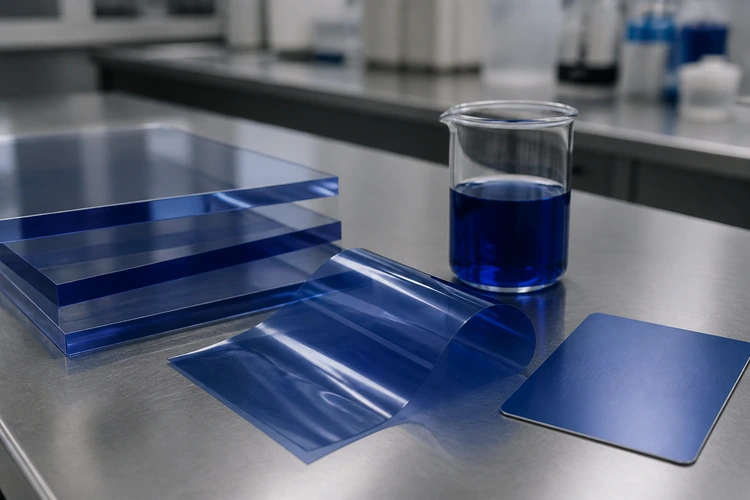
This dyeing process involves using insoluble colored particles (pigments) for coloring the fabrics. These particles do not inherit any chemical relationship with fibers. Using a resin or binder helps these pigments to be mechanically bound with the surface; you are not necessarily required to dissolve them in water or bond them chemically with fibers. 

These pigment dyes are comparatively different from traditional dyes because they are not true dyes, which means they do not easily penetrate the fiber. Despite this, it creates a thin colored film all over the surface of the fabric.

Key Characteristics

The main characteristics of pigment coloration are as follows:

  • Insoluble Color System: Pigments remain as fine particles rather than dissolving in water.
  • Surface Coloring: Color adheres to the material surface through mechanical or binder fixation.
  • Eco-Friendly Composition: Free from Azo, formaldehyde, and APEO, compliant with EN71-3 standards.
  • Wide Material Compatibility: Suitable for textiles, plastic, ink, and rubber.
  • Excellent Lightfastness: Maintains bright, stable color under sunlight.
  • Customizable Shades: Easy to blend for a wide range of color effects.

Application Process

Starting with preparing the fabric using a binder and thickener solution. Then you will apply pigment paste through padding, printing, or spraying. To fix the color film, you must dry and heat-cure the fabric. Please remember the binder will play an essential role in wash durability and adhesion.

Main Uses

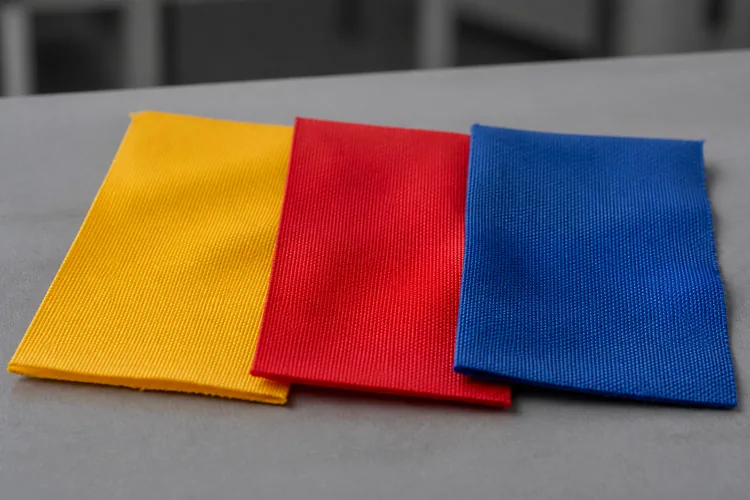
These pigment dyes are widely used in home textiles, fashion garments, blended fabrics, and printing applications such as digital printing or screen printing. Take a look at our shop, our premium pigment Skyprint® Pigment Paste. You can use these pastes for textile printing, paper coating, or latex coloring.

Pigment Dyes

What Is Vat Dyeing?

Through a basic introduction, you will acquire a simple knowledge of the vat dyeing, including its advantages and dyeing process.

Definition and Chemistry

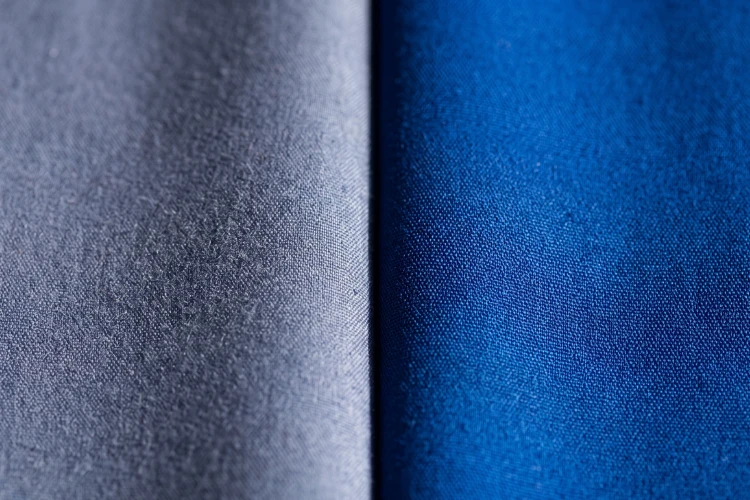
The word ‘vat dye’ is derived initially from large vats, which are typically referred to as the dyeing process or reduction. Its dyeing process will include water-soluble dyes in their natural state, which are further converted into a soluble form with the reduction process. It means when you apply this dye to fabric, it will immediately oxidize back into its insoluble state within the fiber. As an outcome, you will get a long-lasting and strong bond of color.

Main Characteristics

The following main characteristics of vat dyes are:

  • It has exceptional light and wash fastness.
  • It has a deep and rich color scheme with outstanding penetration.
  • Once they are oxidized into an insoluble state, they become chemically stable.
  • Perfect for cellulose fibers, which include viscose or cotton fabrics.

Dyeing Process

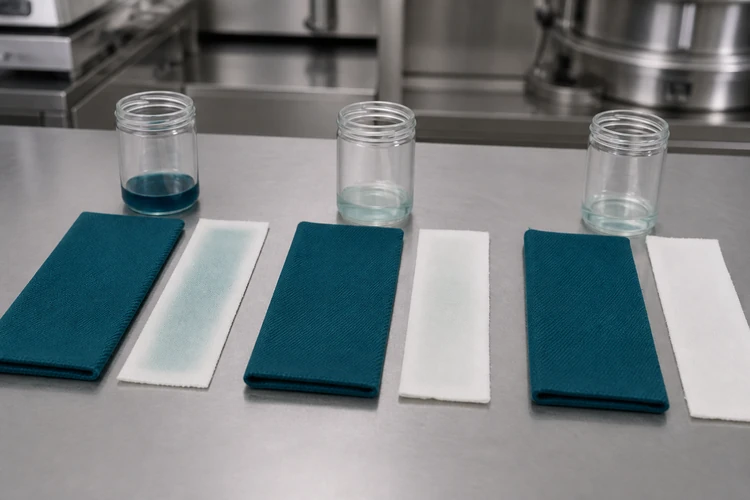
During the dyeing process, caustic soda and sodium hydrosulfite are used for reducing vat dye into its soluble state, named as ‘leuco’. To allow the absorption, the fiber is dipped in the dye bath. Now, dye fiber is converted into an oxidized form to return the dye to its insoluble state, which is colorfast. In the end, we will wash and use soap to remove the residual of unfixed dyes.  

Typical Applications

These vat dyes are typically used for dyeing denim fabrics, home furnishing textiles, workwear, uniforms, and high-end cotton garments. If you’re seeking a perfect vat dye supplier, then check out Skythrene Vat Dyes by Skychem. These dyes are ideally created for coloring military fabrics and high-end cotton products. 

Key Differences Between Pigment and Vat Dyes

These are some common differences between these dyes, then you can have a better understanding of both pigment and vat dyes:

Chemical and Bonding Mechanism

Pigment Dye: It depends on physical adhesion through resin.

Vat Dye: It forms a molecular bond within the fiber by undergoing chemical transformation.

Suitable Fibers and Performance

 Pigment Dye: Suitable for textiles, plastic, ink, and latex

Vat Dye: It will work best on linen, cotton, and cellulose fibers.

Process Complexity and Water Use

Pigment Dye: It has low water usage, which makes it environmentally friendly.

Vat Dye: It has high water usage because it requires multiple washes and stages of oxidation.

Appearance and Fastness

Pigment Dye: It will excel in its fastness properties.

Vat Dye: It is perfect for giving vintage looks, textural effects, and printed patterns. 

A Comparison Table

Properties Pigment Dye Vat Dye
Mechanism of Bonding Adheres to the fiber surface via the binder Penetrates and chemically bonds within the fiber
Nature of Chemicals Insoluble coloring particles Insoluble dyes are converted to a soluble form during dyeing
Suited Fibers Textiles, plastic, ink, and rubber Best for cellulose fibers like cotton
Water Usage Low High
Appearance Surface color, matte or coated look Deep, rich, uniform color
Efficiency & Cost Lower cost, faster process Higher cost, but superior durability

Sustainability and Compliance

Both processes of these two dyes are environmentally friendly and compliant with global standards.

1. Environmental Profile of Pigment Dyeing

Pigment dyeing is a low-impact process because it requires less energy and water. The process lowers chemical load and wastewater production because pigments don’t need chemical reduction or oxidation.

2. Environmental Profile of Vat Dyeing

Due to the reduction and oxidation baths, traditional vat dyeing can produce more wastewater. However, thanks to better formulations and water recycling systems, contemporary vat dye technologies have greatly lessened these effects.

3. Alignment With Global Standards

When using high-quality, compliant materials, both dyeing techniques can satisfy sustainability certifications like OEKO-TEX®, REACH, and GOTS. In order to promote ethical textile production, Skychem Group makes sure that all dye solutions comply with global safety and environmental regulations.

When to Choose Each Type

The differences between these two types of dye are easy to identify, but you may be confused about making a better choice at the right time.

1. When To Use Pigment Dye

Pigment dyeing is ideal when you’re seeking cost-effective, low-water dyeing for textiles, plastic, ink, and rubber. 

2. When To Use Vat Dye

You can choose this dye when you need rich, long-lasting hues on durable fabrics such as uniforms, cotton, or denim. 

3. Hybrid and Improved Systems

Nowadays, a lot of textile producers use hybrid dyeing systems, which combine the advantages of both pigments and vat dyes, the durability of vat dyes and the efficiency of pigments. 

You can discover Skychem Textile Dyes & Pigments as an ultimate solution for all textile coloring.

Conclusion

In the end, we can conclude that both pigment and vat dye are important for maintaining the color scheme of your textile industry.  You will get versatility, simplicity, and cause less impact on the environment with pigment dyes. Vat dye is ideal for achieving rich colors in natural fibers with unmatched durability. So, which type of dye is suitable for you? It all depends on your fabric type, intended use, and sustainability goals.

At Skychem Group, we are offering our beloved clientele premium quality pigment pastes and vat dyes. These dyes are professionally created to comply with international standards and give you exceptional quality in their performance. Ready to bring innovation to your coloring schemes? You can contact us for more information or to order dyes, textile auxiliaries, or other industrial chemicals.


Recommended reading:

  1. How to Select ZDHC-Compliant Textile Chemicals?
  2. Leveling Agents in Synthetic Fiber Dyeing
  3. Disperse vs Reactive Dyes

Sandy

With years of experience in chemical dyes and textile auxiliaries, I’m dedicated to sharing insights into the latest technologies, sustainable innovations, and market trends.

Recent Articles

Solvent dye applications in plastics, inks, and coatings.

How to Choose the Right Solvent Dye for Plastics, Inks and Coating?

Table of Contents What Are Solvent Dyes? Why Use Solvent Dyes Instead of Pigments? Key Factors for Selecting Solvent Dyes Solubility Heat Resistance Light Fastness Migration Resistance Solvent Dye Selection by Application Plastics Printing Inks Coatings Recommended Solvent Dye Grades FAQs Can solvent dyes and pigments be combined in the same formulation? Which solvents suit gravure and flexographic inks? How is thermal stability tested? What causes dye migration in packaging? This guide compares solvent dyes for plastics, printing inks, and coatings by solubility, heat resistance, light fastness, and migration performance, so formulators can match the right grade to a specific solvent system, processing temperature, and end-use application. What Are Solvent Dyes? Solvent dyes are colorants that dissolve fully into the host medium at a molecular level, giving plastics, printing inks, and coatings their characteristic transparency, brightness, and consistent shade. Choosing a solvent dye for plastics, printing inks, or coatings comes down to three practical questions: does it dissolve cleanly in the carrier system, will it hold up at the required processing temperature, and will it stay in place once the product ships. Why Use Solvent Dyes Instead of Pigments? Pigments form particle suspensions that scatter light, which can introduce haze and uneven color strength in transparent parts. Solvent dyes dissolve fully in the host medium, producing clear, vibrant color even in thin films or lightly tinted plastics. For applications where transparency and color intensity matter more than opacity, such as clear plastic components, flexible packaging inks, or wood stains, solvent dyes are typically the better fit. Key Factors for Selecting Solvent Dyes Four factors most often determine whether a solvent dye grade performs as expected in a given application: solubility in the carrier system, heat resistance during processing, light fastness under end-use exposure, and migration resistance once the product is in service. Solubility Solvent dyes only perform as intended when they fully dissolve in the carrier a formulator is already using. Compatibility with the specific solvent blend determines both color strength and clarity in the finished product. Ketones and Esters. Ketones such as MEK and acetone, along with esters such as ethyl acetate and butyl acetate, are common carriers in gravure and flexographic printing inks. Solvent dyes formulated for these systems typically dissolve quickly and leave minimal residue, which supports consistent print density. Aromatic Hydrocarbons. Toluene and xylene remain widely used in industrial coatings and some legacy ink systems. Solubility in aromatic hydrocarbons can vary more between dye chemistries than it does in ketone or ester systems, so each grade needs to be checked against the specific carrier rather than assumed compatible by solvent class. Alcohols. Ethanol and isopropanol appear in a range of coatings and lower-VOC formulations. Solvent dye solubility tends to be more limited across the board in alcohol systems, which makes it one of the first properties worth confirming before committing to a grade. Because solubility varies by individual dye chemistry rather than by solvent class alone, it is worth verifying a dye’s solubility profile against the exact carrier solvent before finalizing a formulation. Heat Resistance Processing temperature is often the deciding factor between two otherwise similar solvent dyes. Thermal stability depends heavily on the underlying dye chemistry, and choosing incorrectly can lead to shade shift, gassing, or reduced clarity during melt processing or curing. Anthraquinone Dyes. Many anthraquinone-based solvent dyes offer excellent thermal stability and are commonly selected for high-temperature plastics applications such as polycarbonate and ABS, though the exact thermal ceiling varies by grade and should be confirmed for each specific dye. Azo Dyes. Azo-based solvent dyes typically have a lower thermal ceiling than anthraquinone types and generally suit lower-temperature processing such as polystyrene. They are often the more cost-effective option when the application does not require extended heat exposure. Property Anthraquinone Dyes Azo Dyes Typical thermal ceiling Generally higher, but varies by grade Generally lower, but varies by grade Light fastness Generally superior UV resistance Adequate for short-term or indoor use Common resins Polycarbonate, ABS Polystyrene Relative cost Higher Lower Light Fastness Light fastness measures how well a color resists fading under UV or prolonged light exposure. Anthraquinone dyes generally offer superior light fastness and are better suited to outdoor or long-term exposure applications, while azo dyes are typically adequate for short-term or indoor use. For coatings and plastics that will see extended outdoor exposure, light fastness is worth weighing alongside heat resistance rather than treating it as a separate afterthought. Migration Resistance Migration becomes a concern whenever a colored plastic, film, or coating sits in direct or indirect contact with another material over time. A dye that migrates can bleed into adjacent layers, packaging contents, or surrounding surfaces, affecting both appearance and, in some cases, regulatory compliance. Molecular Weight and Migration. Solvent dyes with higher molecular weight and lower solubility in the contacting medium generally show better migration resistance. This matters most in multilayer plastic films or packaging structures, where dye movement between layers can show up as discoloration or staining over time. Testing Conditions. Migration behavior should be assessed under the temperature and humidity conditions the finished product will actually see. Results measured at room temperature do not reliably predict performance in warmer storage or transport environments, so testing under real-world conditions is essential before a grade is finalized. For packaging destined for food-contact applications, migration testing is typically benchmarked against established frameworks such as the EU regulation on plastic materials intended for food contact. Colorants generally fall outside that regulation’s specific substance list, but they are still subject to its general safety requirements, so this remains a useful reference point when setting internal migration limits. Solvent Dye Selection by Application Once solubility, heat, light, and migration requirements are defined, the right solvent dye also depends on the specific application it will be used in. Plastics In plastics processing, common resins include polystyrene, ABS, acrylics, polycarbonate, and PET. Solvent dyes deliver transparent, uniform coloring that pigments cannot always match, especially in clear or lightly tinted parts. Printing Inks For flexographic, gravure,

Explore More »
Yellow, red, and blue nylon swatches representing a compatible trichromatic acid dye set.

Trichromatic Acid Dye Selection for Consistent Nylon Shades

Table of Contents Understanding Strike Rate Factors Influencing Strike Rate Matching Strike Rates in a Combination The Role of pH in Dye Uptake pH Ranges by Dye Class Controlling pH During Dyeing Trichromatic Selection Principles Choosing Compatible Yellow, Red, Blue Typical Trichromatic Acid Dye Combinations for Nylon Light Shade Trichromatic Combination Deep Shade Trichromatic Combination Migration and Buildup Properties Avoiding Shade Shift Practical Recipe Guidelines Lab Trial Checklist FAQs What causes uneven dyeing with acid dyes on nylon? How does pH control affect reproducibility? What makes a trichromatic combination reliable? Nylon dyeing rewards precision. Acid dyes bond well with polyamide fibers, but shade consistency depends on how closely strike rate, pH, and trichromatic combinations are controlled together. A small mismatch in any one variable can shift a shade off standard, even when the recipe looks correct on paper. This article breaks down the practical factors that keep acid dye combinations compatible on nylon. Understanding Strike Rate Strike rate describes how quickly a dye moves from the bath onto the fiber. On nylon, this speed depends on dye structure, temperature ramp, and the number of available dye sites on the substrate. A dye with a fast strike rate can produce uneven color if it exhausts before the bath fully penetrates the goods, particularly on tightly constructed knits or dense yarns. Factors Influencing Strike Rate Three variables have the greatest effect on how fast a given acid dye takes up on nylon: Molecular size and structure: smaller, more mobile molecules tend to migrate and level more readily, while larger or more linear structures strike faster but migrate less once fixed. Electrolyte concentration: higher salt levels in the bath slow strike by increasing ionic competition at the fiber surface, which can help leveling but may reduce total exhaustion if not balanced correctly. Temperature ramp speed: a ramp that heats too quickly gives the dye little time to migrate before fixation, raising the risk of streaks or tailing on the goods. Matching Strike Rates in a Combination When combining dyes for a shade, each component should have a comparable strike rate. If one dye in a mix strikes noticeably faster than the others, it dominates the early stages of dyeing and shifts the shade as the bath progresses. This is one of the most common causes of reproducibility problems in nylon dyehouses, especially when recipes are adjusted without checking how the new combination behaves as a system rather than as individual dyes. The Role of pH in Dye Uptake Acid dyes require an acidic bath to bond effectively with the amine groups on nylon fiber. pH does more than set the chemical environment; it also governs how fast dye uptake occurs and how much correction is possible once dyeing has started. pH Ranges by Dye Class Different acid dye classes are formulated to perform within specific pH windows. Working outside that window changes uptake speed and can affect fastness properties. Dye Class Typical pH Range Uptake Behavior Leveling acid dyes pH 5 to 6 Slower strike, good migration, easier to correct Milling acid dyes pH 4.5 to 5.5 Moderate strike, less forgiving on unlevel dyeing Metal complex acid dyes pH 4 to 5 Faster strike, stronger fastness, tighter process control needed These ranges are starting references. Actual performance depends on the specific dye grade, liquor ratio, and machine type, so lab confirmation on the intended substrate remains necessary before scaling to bulk. Controlling pH During Dyeing Holding pH steady throughout the cycle matters as much as setting the correct starting point. A pH that drifts upward during dyeing slows uptake and can leave the shade pale or uneven, while a sharp early drop can cause the dye to strike too fast for proper migration. Buffering systems and controlled acid addition keep the bath within range from start to finish. Leveling agents and buffering auxiliaries formulated for pH and strike control help stabilize uptake speed across different fabric constructions and machine conditions, particularly on constructions prone to rapid initial strike. Trichromatic Selection Principles Trichromatic dyeing uses a yellow, red, and blue dye to build a wide range of shades from a small working palette. Compatibility across these three dyes determines how predictable the resulting shades will be, both in the lab and in bulk. Choosing Compatible Yellow, Red, Blue A workable trichromatic set should share similar strike rates, similar pH sensitivity, and comparable migration behavior. Mismatched components can produce shade drift between lab dips and production batches, even when the total dye concentration is correct. The Skyacido Acid Dyes, formulated specifically for polyamide dyeing, offers a wide shade gamut with strong inter-shade combinability, which supports matching yellow, red, and blue components as a coordinated set rather than selecting each color independently based on shade alone. The table below outlines what to check across each primary when building a trichromatic set: Component Strike Rate Check pH Sensitivity Migration Behavior Yellow Compare exhaustion curve against red and blue Note shift point where uptake accelerates Confirm redistribution at hold temperature Red Compare exhaustion curve against yellow and blue Note shift point where uptake accelerates Confirm redistribution at hold temperature Blue Compare exhaustion curve against yellow and red Note shift point where uptake accelerates Confirm redistribution at hold temperature Running this comparison during lab dip development, rather than after a bulk batch shows shade drift, catches mismatches while they are still inexpensive to correct. Typical Trichromatic Acid Dye Combinations for Nylon In practical nylon dyeing, trichromatic combinations are usually selected according to shade depth, buildup requirement, and compatibility between dyes. Different combinations may be required for light shades and deep shades to maintain balanced exhaustion, migration, and shade reproducibility. Light Shade Trichromatic Combination For light and medium shades, dyes with good migration performance and moderate strike behavior are preferred to achieve excellent leveling and shade correction ability. A typical light shade combination may include: Trichromatic Position Example Acid Dye Yellow Skyacido Yellow 199 Red Skyacido Red 337 Blue Skyacido Blue 324 This combination provides good compatibility and is

Explore More »
2. Low-temperature soaping leaves clearer wash liquor and less staining on adjacent white cotton strips.

Reactive Dye Soaping Guide: Better Wash Fastness, Less Back-Staining

Table of Contents What Is Reactive Dye Soaping Role in the Wash-Off Stage Why Unfixed and Hydrolyzed Dye Must Be Removed How Soaping Affects Wash Fastness Removing Hydrolyzed Dye from the Fiber Surface Connection Between Soaping and Fastness Ratings What Causes Back-Staining? Common Sources of Back-Staining Fabrics and Blends Most at Risk Key Process Parameters for Effective Soaping Temperature and Time Liquor Ratio Water Hardness and Sequestering Agents Choosing the Right Soaping Agents Anionic and Nonionic Soaping Agents Matching Agents to Fiber and Shade Depth Low-Temperature Soaping Agent Option: Sylic D2705 Key Benefits Recommended Application Performance Comparison Soaping Process Methods Cold Wash and Hot Wash Sequence One-Bath vs Multi-Step Soaping Role of Fixing Agents After Soaping Best Practices for Consistent Wash Fastness Results FAQs How long should reactive dye soaping take? Can back-staining be fixed after it happens? Does hard water affect soaping performance? Is a separate fixing agent always necessary after soaping? Reactive dye soaping is often treated as a quick step at the end of the dyeing cycle, but it has a direct effect on wash fastness and back-staining outcomes. Getting temperature, time, and agent selection right prevents costly rejects and repeat orders that eat into margins. What Is Reactive Dye Soaping Role in the Wash-Off Stage Soaping takes place after fixation, once the reactive dye has bonded to the fiber under alkaline conditions. Fabric is washed at or near boiling temperature with a detergent or specialty soaping agent to strip away everything that never formed a permanent bond with the fiber. Skipping or shortening this step leaves wash-off incomplete, and the fabric carries a hidden fastness risk that will not surface until later testing or, worse, after it reaches the customer. Why Unfixed and Hydrolyzed Dye Must Be Removed A portion of reactive dye always hydrolyzes in the dyebath instead of reacting with the fiber. Hydrolyzed dye sits loosely on the fabric surface, held only by weak physical attraction rather than a covalent bond. Left in place, it rubs off during handling, bleeds during laundering, and transfers onto lighter fabrics in the same wash load. Soaping is the step designed specifically to remove this residue before it becomes a fastness problem. How Soaping Affects Wash Fastness The quality of soaping determines much of what shows up later in fastness testing. A batch that looks correct on the shade card can still fail to wash or rub fastness if this step was rushed. Removing Hydrolyzed Dye from the Fiber Surface Effective soaping keeps loosened dye suspended in the wash liquor instead of letting it settle back onto the fabric. How completely this happens depends on agitation, liquor ratio, and the dispersing strength of the detergent or soaping agent used. Connection Between Soaping and Fastness Ratings Wash and rub fastness ratings, most commonly evaluated using AATCC colorfastness test methods, largely reflect how much unfixed dye remains after wash-off. A fabric can pass an initial shade check on the lab dip and still fail fastness testing on the bulk batch if soaping ran too briefly or at too low a temperature. What Causes Back-Staining? Common Sources of Back-Staining Back-staining happens when dye that has washed off the dyed fabric redeposits onto undyed or lighter areas in the same bath. The most common causes include: Overloaded soaping baths carrying more hydrolyzed dye than the liquor can hold Insufficient rinsing between soaping and finishing steps Soaping agents with weak dispersing power, which allow free dye particles to settle back onto the fabric Uneven liquor circulation, which creates localized zones of high dye concentration Fabrics and Blends Most at Risk Deep and dark shades generate the highest load of hydrolyzed dye and are the most frequent source of back-staining complaints. Blended fabrics, and any load that mixes dyed and undyed components, are particularly vulnerable, since redeposited dye is far more visible on the lighter portion of the fabric. Key Process Parameters for Effective Soaping Most causes of poor fastness and back-staining trace back to how tightly these three parameters are controlled. Temperature and Time Soaping typically runs at or close to boiling point for five to fifteen minutes, though the ideal combination depends on shade depth and fabric construction. Running the bath too cool slows dye removal, and cutting the time short leaves hydrolyzed dye behind even at the correct temperature. Shade depth Soaping temperature Typical time Light to medium 90 to 95°C 5 to 8 minutes Deep and dark Near boiling (98 to 100°C) 10 to 15 minutes Turquoise and problem shades Near boiling, multi-bath 15 minutes or more per bath This near-boiling range applies to conventional soaping agents. Low-temperature soaping agents are formulated to work effectively at 60 to 80°C instead, cutting energy use without giving up fastness performance (see the Sylic D2705 section below).  Liquor Ratio A tighter liquor ratio concentrates hydrolyzed dye in a smaller volume of water, which increases the risk of redeposition before it can be flushed out. Mills running jet or overflow machines at lower liquor ratios should compensate with stronger dispersing agents or an added rinse cycle. Water Hardness and Sequestering Agents Calcium, magnesium, and iron in the water supply interfere with soaping agent performance and can leave a hazy or uneven finish. A sequestering agent, such as Sylic P1501B, an anionic chelating dispersant with a pH of 2.5 to 4.0 in a 1% solution, binds these ions before soaping begins and lets the soaping agent perform as intended. Choosing the Right Soaping Agents Anionic and Nonionic Soaping Agents Anionic soaping agents are widely used for their strong dispersing action, while nonionic types perform better in hard water and at lower temperatures. Both types are available within a dyeing auxiliary range formulated for stability in alkaline baths and low-foam performance in jet machines. Matching Agents to Fiber and Shade Depth Cotton and other cellulosic fibers generally respond well to anionic soaping agents. Blends containing synthetic fibers may need a nonionic option instead, to avoid staining the more sensitive synthetic component. Deeper shades typically call

Explore More »

Reduction Clearing in Polyester Dyeing: A Complete Guide

Table of Contents What Is Reduction Clearing? Definition and Purpose Role in Disperse Dyeing Impact on Colorfastness Common Quality Complaints When Reduction Clearing Is Needed Dark and Medium Shades High Dye Concentration Recipes Blends with Cellulosic Fibers When It Can Be Skipped Process and Control Typical Recipe and Parameters Controlling Temperature and pH Avoiding Over-Reduction or Under-Reduction Rinsing and Neutralization Choosing the Right Reducing Agents Sodium Hydrosulfite Sulfur-Free Reducing Agents Low-Temperature and Sustainable Options High Wash Fastness Dyes to Reduce Clearing Load Troubleshooting Common Issues Poor Wash Fastness After Clearing Shade Change or Dulling Conclusion FAQs What Happens If You Skip It? Reduction Clearing vs Normal Washing? Can It Be Done at Low Temperature? Hydrosulfite vs Sulfur-Free Agents? A batch that looks perfect on the machine can still fail a wash fastness test days later. More often than not, the cause is unfixed disperse dye left on the fiber surface, and the fix is reduction clearing. This guide covers when the step is necessary, the chemistry behind it, and how to keep results consistent from lab dip to bulk production. What Is Reduction Clearing? Definition and Purpose Reduction clearing is a post-dyeing treatment that removes disperse dye which has not penetrated or fixed onto polyester fibers. During high temperature dyeing, some dye molecules remain on the fiber surface instead of diffusing into the polymer structure. Left untreated, this residual dye rubs off and bleeds during washing, lowering overall color fastness. A reduction clearing bath breaks down and strips away the surface dye, leaving only the dye that has properly fixed inside the fiber. Role in Disperse Dyeing Reduction clearing takes place at the end of the disperse dyeing cycle, after the main dyeing stage and before final rinsing. It is one part of a larger polyester dyeing workflow that also includes pretreatment, dyeing, and finishing. The polyester dyeing application solutions page outlines how these stages connect, along with recommended auxiliaries for each step. Impact on Colorfastness Wash and rub fastness are among the specifications buyers check most closely before accepting a shipment. Surface dye that has not been cleared is loosely bound and washes out easily, which is precisely what standardized tests such as AATCC’s laundering fastness methods are designed to detect. A properly executed reduction clearing step improves these results by removing the dye that would otherwise cause a failed test. Common Quality Complaints Mills that skip or under-perform reduction clearing tend to see a recurring pattern of issues: Color bleeding onto lighter garments in the same wash load Staining on packaging or trims during transport and storage Dull or hazy shades compared to the approved lab dip Rejected shipments after failed fastness testing at the buyer’s lab These problems are almost always traceable to residual disperse dye rather than a flaw in the dye recipe itself, which is why reduction clearing deserves the same attention as the dyeing stage it follows. When Reduction Clearing Is Needed Dark and Medium Shades Darker and medium depth shades require higher dye concentrations, which naturally leaves more unfixed dye on the fiber surface. The Skycron disperse dyes range covers both dyeing and printing applications across dark, medium, and vivid shades, and pairing these dyes with a proper reduction clearing step is standard practice for reaching acceptable fastness at these heavier depths. High Dye Concentration Recipes Any recipe with a high total dye percentage on weight of fabric (% o.w.f.) benefits from reduction clearing, not only dark shades. As a general reference, mills commonly group shade depth this way: Shade Depth Typical Dye Concentration Reduction Clearing Light Below 1% o.w.f. Often optional Medium 1 to 3% o.w.f. Recommended Dark Above 3% o.w.f. Required These figures are a general guide rather than a fixed rule, since dye class, fiber blend, and fastness targets all shift the threshold. Multi-dye combinations used for precise custom shades fall into this same logic, as several dye classes combined can leave behind varying amounts of surface residue even at a moderate total percentage. Blends with Cellulosic Fibers Polyester-cotton and polyester-viscose blends add another layer of risk. Disperse dye that has not fixed to the polyester portion can stain the cellulosic fiber, causing an unwanted tone shift across the fabric. Reduction clearing protects the intended contrast or solid shade across both fiber types. When It Can Be Skipped Very light shades with low dye loading sometimes do not require a full reduction clearing cycle, particularly when high-exhaustion dyes and well-controlled dyeing conditions are used, and a simple hot wash can be enough. Skipping the step should still be a deliberate decision based on shade depth and fastness requirements, not a shortcut taken to save time. Process and Control Typical Recipe and Parameters A standard alkaline reduction clearing bath includes a reducing agent, caustic soda or soda ash, and a wetting or dispersing agent. Sulfur-free acid-clearing systems, which run at a lower pH, are increasingly used as an alternative. A general starting point looks like this: Parameter Typical Range Reducing agent 2 to 4 g/L Alkali (NaOH or soda ash) 2 to 4 g/L Temperature 70 to 80°C Time 15 to 20 minutes Liquor ratio 1:8 to 1:15 These figures vary by shade depth, dye class, and fiber blend, so lab trials should confirm the final recipe before scaling to bulk. Controlling Temperature and pH Temperature and pH are the two variables that most affect clearing efficiency: Too cool or too brief: residual dye is left behind, and fastness suffers. Too hot or too alkaline: the polyester surface or hand feel can be affected. Most conventional recipes target a mildly alkaline pH between 9 and 11. Acid-based sulfur-free systems instead work in a neutral to mildly acidic range, depending on the product used, so the pH target should always match the chemistry selected rather than a single fixed rule. Avoiding Over-Reduction or Under-Reduction Under-reduction leaves surface dye behind, which shows up later as poor fastness. Over-reduction strips properly fixed dye from the fiber, causing shade loss, dulling, or an uneven

Explore More »

Contact Us for Textile Auxiliaries and Dyes

Contact Skychem Group for more chemical solutions, If you have questions or need more information, please contact us.
We will respond within 24 hours

Get a project quote

Tell us your project requirements, country, and intended application.

Sandy

With years of experience in chemical dyes and textile auxiliaries, I’m dedicated to sharing insights into the latest technologies, sustainable innovations, and market trends.

Recent Articles

Solvent dye applications in plastics, inks, and coatings.

How to Choose the Right Solvent Dye for Plastics, Inks and Coating?

Table of Contents What Are Solvent Dyes? Why Use Solvent Dyes Instead of Pigments? Key Factors for Selecting Solvent Dyes Solubility Heat Resistance Light Fastness Migration Resistance Solvent Dye Selection by Application Plastics Printing Inks Coatings Recommended Solvent Dye Grades FAQs Can solvent dyes and pigments be combined in the same formulation? Which solvents suit gravure and flexographic inks? How is thermal stability tested? What causes dye migration in packaging? This guide compares solvent dyes for plastics, printing inks, and coatings by solubility, heat resistance, light fastness, and migration performance, so formulators can match the right grade to a specific solvent system, processing temperature, and end-use application. What Are Solvent Dyes? Solvent dyes are colorants that dissolve fully into the host medium at a molecular level, giving plastics, printing inks, and coatings their characteristic transparency, brightness, and consistent shade. Choosing a solvent dye for plastics, printing inks, or coatings comes down to three practical questions: does it dissolve cleanly in the carrier system, will it hold up at the required processing temperature, and will it stay in place once the product ships. Why Use Solvent Dyes Instead of Pigments? Pigments form particle suspensions that scatter light, which can introduce haze and uneven color strength in transparent parts. Solvent dyes dissolve fully in the host medium, producing clear, vibrant color even in thin films or lightly tinted plastics. For applications where transparency and color intensity matter more than opacity, such as clear plastic components, flexible packaging inks, or wood stains, solvent dyes are typically the better fit. Key Factors for Selecting Solvent Dyes Four factors most often determine whether a solvent dye grade performs as expected in a given application: solubility in the carrier system, heat resistance during processing, light fastness under end-use exposure, and migration resistance once the product is in service. Solubility Solvent dyes only perform as intended when they fully dissolve in the carrier a formulator is already using. Compatibility with the specific solvent blend determines both color strength and clarity in the finished product. Ketones and Esters. Ketones such as MEK and acetone, along with esters such as ethyl acetate and butyl acetate, are common carriers in gravure and flexographic printing inks. Solvent dyes formulated for these systems typically dissolve quickly and leave minimal residue, which supports consistent print density. Aromatic Hydrocarbons. Toluene and xylene remain widely used in industrial coatings and some legacy ink systems. Solubility in aromatic hydrocarbons can vary more between dye chemistries than it does in ketone or ester systems, so each grade needs to be checked against the specific carrier rather than assumed compatible by solvent class. Alcohols. Ethanol and isopropanol appear in a range of coatings and lower-VOC formulations. Solvent dye solubility tends to be more limited across the board in alcohol systems, which makes it one of the first properties worth confirming before committing to a grade. Because solubility varies by individual dye chemistry rather than by solvent class alone, it is worth verifying a dye’s solubility profile against the exact carrier solvent before finalizing a formulation. Heat Resistance Processing temperature is often the deciding factor between two otherwise similar solvent dyes. Thermal stability depends heavily on the underlying dye chemistry, and choosing incorrectly can lead to shade shift, gassing, or reduced clarity during melt processing or curing. Anthraquinone Dyes. Many anthraquinone-based solvent dyes offer excellent thermal stability and are commonly selected for high-temperature plastics applications such as polycarbonate and ABS, though the exact thermal ceiling varies by grade and should be confirmed for each specific dye. Azo Dyes. Azo-based solvent dyes typically have a lower thermal ceiling than anthraquinone types and generally suit lower-temperature processing such as polystyrene. They are often the more cost-effective option when the application does not require extended heat exposure. Property Anthraquinone Dyes Azo Dyes Typical thermal ceiling Generally higher, but varies by grade Generally lower, but varies by grade Light fastness Generally superior UV resistance Adequate for short-term or indoor use Common resins Polycarbonate, ABS Polystyrene Relative cost Higher Lower Light Fastness Light fastness measures how well a color resists fading under UV or prolonged light exposure. Anthraquinone dyes generally offer superior light fastness and are better suited to outdoor or long-term exposure applications, while azo dyes are typically adequate for short-term or indoor use. For coatings and plastics that will see extended outdoor exposure, light fastness is worth weighing alongside heat resistance rather than treating it as a separate afterthought. Migration Resistance Migration becomes a concern whenever a colored plastic, film, or coating sits in direct or indirect contact with another material over time. A dye that migrates can bleed into adjacent layers, packaging contents, or surrounding surfaces, affecting both appearance and, in some cases, regulatory compliance. Molecular Weight and Migration. Solvent dyes with higher molecular weight and lower solubility in the contacting medium generally show better migration resistance. This matters most in multilayer plastic films or packaging structures, where dye movement between layers can show up as discoloration or staining over time. Testing Conditions. Migration behavior should be assessed under the temperature and humidity conditions the finished product will actually see. Results measured at room temperature do not reliably predict performance in warmer storage or transport environments, so testing under real-world conditions is essential before a grade is finalized. For packaging destined for food-contact applications, migration testing is typically benchmarked against established frameworks such as the EU regulation on plastic materials intended for food contact. Colorants generally fall outside that regulation’s specific substance list, but they are still subject to its general safety requirements, so this remains a useful reference point when setting internal migration limits. Solvent Dye Selection by Application Once solubility, heat, light, and migration requirements are defined, the right solvent dye also depends on the specific application it will be used in. Plastics In plastics processing, common resins include polystyrene, ABS, acrylics, polycarbonate, and PET. Solvent dyes deliver transparent, uniform coloring that pigments cannot always match, especially in clear or lightly tinted parts. Printing Inks For flexographic, gravure,

Explore More »
Yellow, red, and blue nylon swatches representing a compatible trichromatic acid dye set.

Trichromatic Acid Dye Selection for Consistent Nylon Shades

Table of Contents Understanding Strike Rate Factors Influencing Strike Rate Matching Strike Rates in a Combination The Role of pH in Dye Uptake pH Ranges by Dye Class Controlling pH During Dyeing Trichromatic Selection Principles Choosing Compatible Yellow, Red, Blue Typical Trichromatic Acid Dye Combinations for Nylon Light Shade Trichromatic Combination Deep Shade Trichromatic Combination Migration and Buildup Properties Avoiding Shade Shift Practical Recipe Guidelines Lab Trial Checklist FAQs What causes uneven dyeing with acid dyes on nylon? How does pH control affect reproducibility? What makes a trichromatic combination reliable? Nylon dyeing rewards precision. Acid dyes bond well with polyamide fibers, but shade consistency depends on how closely strike rate, pH, and trichromatic combinations are controlled together. A small mismatch in any one variable can shift a shade off standard, even when the recipe looks correct on paper. This article breaks down the practical factors that keep acid dye combinations compatible on nylon. Understanding Strike Rate Strike rate describes how quickly a dye moves from the bath onto the fiber. On nylon, this speed depends on dye structure, temperature ramp, and the number of available dye sites on the substrate. A dye with a fast strike rate can produce uneven color if it exhausts before the bath fully penetrates the goods, particularly on tightly constructed knits or dense yarns. Factors Influencing Strike Rate Three variables have the greatest effect on how fast a given acid dye takes up on nylon: Molecular size and structure: smaller, more mobile molecules tend to migrate and level more readily, while larger or more linear structures strike faster but migrate less once fixed. Electrolyte concentration: higher salt levels in the bath slow strike by increasing ionic competition at the fiber surface, which can help leveling but may reduce total exhaustion if not balanced correctly. Temperature ramp speed: a ramp that heats too quickly gives the dye little time to migrate before fixation, raising the risk of streaks or tailing on the goods. Matching Strike Rates in a Combination When combining dyes for a shade, each component should have a comparable strike rate. If one dye in a mix strikes noticeably faster than the others, it dominates the early stages of dyeing and shifts the shade as the bath progresses. This is one of the most common causes of reproducibility problems in nylon dyehouses, especially when recipes are adjusted without checking how the new combination behaves as a system rather than as individual dyes. The Role of pH in Dye Uptake Acid dyes require an acidic bath to bond effectively with the amine groups on nylon fiber. pH does more than set the chemical environment; it also governs how fast dye uptake occurs and how much correction is possible once dyeing has started. pH Ranges by Dye Class Different acid dye classes are formulated to perform within specific pH windows. Working outside that window changes uptake speed and can affect fastness properties. Dye Class Typical pH Range Uptake Behavior Leveling acid dyes pH 5 to 6 Slower strike, good migration, easier to correct Milling acid dyes pH 4.5 to 5.5 Moderate strike, less forgiving on unlevel dyeing Metal complex acid dyes pH 4 to 5 Faster strike, stronger fastness, tighter process control needed These ranges are starting references. Actual performance depends on the specific dye grade, liquor ratio, and machine type, so lab confirmation on the intended substrate remains necessary before scaling to bulk. Controlling pH During Dyeing Holding pH steady throughout the cycle matters as much as setting the correct starting point. A pH that drifts upward during dyeing slows uptake and can leave the shade pale or uneven, while a sharp early drop can cause the dye to strike too fast for proper migration. Buffering systems and controlled acid addition keep the bath within range from start to finish. Leveling agents and buffering auxiliaries formulated for pH and strike control help stabilize uptake speed across different fabric constructions and machine conditions, particularly on constructions prone to rapid initial strike. Trichromatic Selection Principles Trichromatic dyeing uses a yellow, red, and blue dye to build a wide range of shades from a small working palette. Compatibility across these three dyes determines how predictable the resulting shades will be, both in the lab and in bulk. Choosing Compatible Yellow, Red, Blue A workable trichromatic set should share similar strike rates, similar pH sensitivity, and comparable migration behavior. Mismatched components can produce shade drift between lab dips and production batches, even when the total dye concentration is correct. The Skyacido Acid Dyes, formulated specifically for polyamide dyeing, offers a wide shade gamut with strong inter-shade combinability, which supports matching yellow, red, and blue components as a coordinated set rather than selecting each color independently based on shade alone. The table below outlines what to check across each primary when building a trichromatic set: Component Strike Rate Check pH Sensitivity Migration Behavior Yellow Compare exhaustion curve against red and blue Note shift point where uptake accelerates Confirm redistribution at hold temperature Red Compare exhaustion curve against yellow and blue Note shift point where uptake accelerates Confirm redistribution at hold temperature Blue Compare exhaustion curve against yellow and red Note shift point where uptake accelerates Confirm redistribution at hold temperature Running this comparison during lab dip development, rather than after a bulk batch shows shade drift, catches mismatches while they are still inexpensive to correct. Typical Trichromatic Acid Dye Combinations for Nylon In practical nylon dyeing, trichromatic combinations are usually selected according to shade depth, buildup requirement, and compatibility between dyes. Different combinations may be required for light shades and deep shades to maintain balanced exhaustion, migration, and shade reproducibility. Light Shade Trichromatic Combination For light and medium shades, dyes with good migration performance and moderate strike behavior are preferred to achieve excellent leveling and shade correction ability. A typical light shade combination may include: Trichromatic Position Example Acid Dye Yellow Skyacido Yellow 199 Red Skyacido Red 337 Blue Skyacido Blue 324 This combination provides good compatibility and is

Explore More »
2. Low-temperature soaping leaves clearer wash liquor and less staining on adjacent white cotton strips.

Reactive Dye Soaping Guide: Better Wash Fastness, Less Back-Staining

Table of Contents What Is Reactive Dye Soaping Role in the Wash-Off Stage Why Unfixed and Hydrolyzed Dye Must Be Removed How Soaping Affects Wash Fastness Removing Hydrolyzed Dye from the Fiber Surface Connection Between Soaping and Fastness Ratings What Causes Back-Staining? Common Sources of Back-Staining Fabrics and Blends Most at Risk Key Process Parameters for Effective Soaping Temperature and Time Liquor Ratio Water Hardness and Sequestering Agents Choosing the Right Soaping Agents Anionic and Nonionic Soaping Agents Matching Agents to Fiber and Shade Depth Low-Temperature Soaping Agent Option: Sylic D2705 Key Benefits Recommended Application Performance Comparison Soaping Process Methods Cold Wash and Hot Wash Sequence One-Bath vs Multi-Step Soaping Role of Fixing Agents After Soaping Best Practices for Consistent Wash Fastness Results FAQs How long should reactive dye soaping take? Can back-staining be fixed after it happens? Does hard water affect soaping performance? Is a separate fixing agent always necessary after soaping? Reactive dye soaping is often treated as a quick step at the end of the dyeing cycle, but it has a direct effect on wash fastness and back-staining outcomes. Getting temperature, time, and agent selection right prevents costly rejects and repeat orders that eat into margins. What Is Reactive Dye Soaping Role in the Wash-Off Stage Soaping takes place after fixation, once the reactive dye has bonded to the fiber under alkaline conditions. Fabric is washed at or near boiling temperature with a detergent or specialty soaping agent to strip away everything that never formed a permanent bond with the fiber. Skipping or shortening this step leaves wash-off incomplete, and the fabric carries a hidden fastness risk that will not surface until later testing or, worse, after it reaches the customer. Why Unfixed and Hydrolyzed Dye Must Be Removed A portion of reactive dye always hydrolyzes in the dyebath instead of reacting with the fiber. Hydrolyzed dye sits loosely on the fabric surface, held only by weak physical attraction rather than a covalent bond. Left in place, it rubs off during handling, bleeds during laundering, and transfers onto lighter fabrics in the same wash load. Soaping is the step designed specifically to remove this residue before it becomes a fastness problem. How Soaping Affects Wash Fastness The quality of soaping determines much of what shows up later in fastness testing. A batch that looks correct on the shade card can still fail to wash or rub fastness if this step was rushed. Removing Hydrolyzed Dye from the Fiber Surface Effective soaping keeps loosened dye suspended in the wash liquor instead of letting it settle back onto the fabric. How completely this happens depends on agitation, liquor ratio, and the dispersing strength of the detergent or soaping agent used. Connection Between Soaping and Fastness Ratings Wash and rub fastness ratings, most commonly evaluated using AATCC colorfastness test methods, largely reflect how much unfixed dye remains after wash-off. A fabric can pass an initial shade check on the lab dip and still fail fastness testing on the bulk batch if soaping ran too briefly or at too low a temperature. What Causes Back-Staining? Common Sources of Back-Staining Back-staining happens when dye that has washed off the dyed fabric redeposits onto undyed or lighter areas in the same bath. The most common causes include: Overloaded soaping baths carrying more hydrolyzed dye than the liquor can hold Insufficient rinsing between soaping and finishing steps Soaping agents with weak dispersing power, which allow free dye particles to settle back onto the fabric Uneven liquor circulation, which creates localized zones of high dye concentration Fabrics and Blends Most at Risk Deep and dark shades generate the highest load of hydrolyzed dye and are the most frequent source of back-staining complaints. Blended fabrics, and any load that mixes dyed and undyed components, are particularly vulnerable, since redeposited dye is far more visible on the lighter portion of the fabric. Key Process Parameters for Effective Soaping Most causes of poor fastness and back-staining trace back to how tightly these three parameters are controlled. Temperature and Time Soaping typically runs at or close to boiling point for five to fifteen minutes, though the ideal combination depends on shade depth and fabric construction. Running the bath too cool slows dye removal, and cutting the time short leaves hydrolyzed dye behind even at the correct temperature. Shade depth Soaping temperature Typical time Light to medium 90 to 95°C 5 to 8 minutes Deep and dark Near boiling (98 to 100°C) 10 to 15 minutes Turquoise and problem shades Near boiling, multi-bath 15 minutes or more per bath This near-boiling range applies to conventional soaping agents. Low-temperature soaping agents are formulated to work effectively at 60 to 80°C instead, cutting energy use without giving up fastness performance (see the Sylic D2705 section below).  Liquor Ratio A tighter liquor ratio concentrates hydrolyzed dye in a smaller volume of water, which increases the risk of redeposition before it can be flushed out. Mills running jet or overflow machines at lower liquor ratios should compensate with stronger dispersing agents or an added rinse cycle. Water Hardness and Sequestering Agents Calcium, magnesium, and iron in the water supply interfere with soaping agent performance and can leave a hazy or uneven finish. A sequestering agent, such as Sylic P1501B, an anionic chelating dispersant with a pH of 2.5 to 4.0 in a 1% solution, binds these ions before soaping begins and lets the soaping agent perform as intended. Choosing the Right Soaping Agents Anionic and Nonionic Soaping Agents Anionic soaping agents are widely used for their strong dispersing action, while nonionic types perform better in hard water and at lower temperatures. Both types are available within a dyeing auxiliary range formulated for stability in alkaline baths and low-foam performance in jet machines. Matching Agents to Fiber and Shade Depth Cotton and other cellulosic fibers generally respond well to anionic soaping agents. Blends containing synthetic fibers may need a nonionic option instead, to avoid staining the more sensitive synthetic component. Deeper shades typically call

Explore More »

Reduction Clearing in Polyester Dyeing: A Complete Guide

Table of Contents What Is Reduction Clearing? Definition and Purpose Role in Disperse Dyeing Impact on Colorfastness Common Quality Complaints When Reduction Clearing Is Needed Dark and Medium Shades High Dye Concentration Recipes Blends with Cellulosic Fibers When It Can Be Skipped Process and Control Typical Recipe and Parameters Controlling Temperature and pH Avoiding Over-Reduction or Under-Reduction Rinsing and Neutralization Choosing the Right Reducing Agents Sodium Hydrosulfite Sulfur-Free Reducing Agents Low-Temperature and Sustainable Options High Wash Fastness Dyes to Reduce Clearing Load Troubleshooting Common Issues Poor Wash Fastness After Clearing Shade Change or Dulling Conclusion FAQs What Happens If You Skip It? Reduction Clearing vs Normal Washing? Can It Be Done at Low Temperature? Hydrosulfite vs Sulfur-Free Agents? A batch that looks perfect on the machine can still fail a wash fastness test days later. More often than not, the cause is unfixed disperse dye left on the fiber surface, and the fix is reduction clearing. This guide covers when the step is necessary, the chemistry behind it, and how to keep results consistent from lab dip to bulk production. What Is Reduction Clearing? Definition and Purpose Reduction clearing is a post-dyeing treatment that removes disperse dye which has not penetrated or fixed onto polyester fibers. During high temperature dyeing, some dye molecules remain on the fiber surface instead of diffusing into the polymer structure. Left untreated, this residual dye rubs off and bleeds during washing, lowering overall color fastness. A reduction clearing bath breaks down and strips away the surface dye, leaving only the dye that has properly fixed inside the fiber. Role in Disperse Dyeing Reduction clearing takes place at the end of the disperse dyeing cycle, after the main dyeing stage and before final rinsing. It is one part of a larger polyester dyeing workflow that also includes pretreatment, dyeing, and finishing. The polyester dyeing application solutions page outlines how these stages connect, along with recommended auxiliaries for each step. Impact on Colorfastness Wash and rub fastness are among the specifications buyers check most closely before accepting a shipment. Surface dye that has not been cleared is loosely bound and washes out easily, which is precisely what standardized tests such as AATCC’s laundering fastness methods are designed to detect. A properly executed reduction clearing step improves these results by removing the dye that would otherwise cause a failed test. Common Quality Complaints Mills that skip or under-perform reduction clearing tend to see a recurring pattern of issues: Color bleeding onto lighter garments in the same wash load Staining on packaging or trims during transport and storage Dull or hazy shades compared to the approved lab dip Rejected shipments after failed fastness testing at the buyer’s lab These problems are almost always traceable to residual disperse dye rather than a flaw in the dye recipe itself, which is why reduction clearing deserves the same attention as the dyeing stage it follows. When Reduction Clearing Is Needed Dark and Medium Shades Darker and medium depth shades require higher dye concentrations, which naturally leaves more unfixed dye on the fiber surface. The Skycron disperse dyes range covers both dyeing and printing applications across dark, medium, and vivid shades, and pairing these dyes with a proper reduction clearing step is standard practice for reaching acceptable fastness at these heavier depths. High Dye Concentration Recipes Any recipe with a high total dye percentage on weight of fabric (% o.w.f.) benefits from reduction clearing, not only dark shades. As a general reference, mills commonly group shade depth this way: Shade Depth Typical Dye Concentration Reduction Clearing Light Below 1% o.w.f. Often optional Medium 1 to 3% o.w.f. Recommended Dark Above 3% o.w.f. Required These figures are a general guide rather than a fixed rule, since dye class, fiber blend, and fastness targets all shift the threshold. Multi-dye combinations used for precise custom shades fall into this same logic, as several dye classes combined can leave behind varying amounts of surface residue even at a moderate total percentage. Blends with Cellulosic Fibers Polyester-cotton and polyester-viscose blends add another layer of risk. Disperse dye that has not fixed to the polyester portion can stain the cellulosic fiber, causing an unwanted tone shift across the fabric. Reduction clearing protects the intended contrast or solid shade across both fiber types. When It Can Be Skipped Very light shades with low dye loading sometimes do not require a full reduction clearing cycle, particularly when high-exhaustion dyes and well-controlled dyeing conditions are used, and a simple hot wash can be enough. Skipping the step should still be a deliberate decision based on shade depth and fastness requirements, not a shortcut taken to save time. Process and Control Typical Recipe and Parameters A standard alkaline reduction clearing bath includes a reducing agent, caustic soda or soda ash, and a wetting or dispersing agent. Sulfur-free acid-clearing systems, which run at a lower pH, are increasingly used as an alternative. A general starting point looks like this: Parameter Typical Range Reducing agent 2 to 4 g/L Alkali (NaOH or soda ash) 2 to 4 g/L Temperature 70 to 80°C Time 15 to 20 minutes Liquor ratio 1:8 to 1:15 These figures vary by shade depth, dye class, and fiber blend, so lab trials should confirm the final recipe before scaling to bulk. Controlling Temperature and pH Temperature and pH are the two variables that most affect clearing efficiency: Too cool or too brief: residual dye is left behind, and fastness suffers. Too hot or too alkaline: the polyester surface or hand feel can be affected. Most conventional recipes target a mildly alkaline pH between 9 and 11. Acid-based sulfur-free systems instead work in a neutral to mildly acidic range, depending on the product used, so the pH target should always match the chemistry selected rather than a single fixed rule. Avoiding Over-Reduction or Under-Reduction Under-reduction leaves surface dye behind, which shows up later as poor fastness. Over-reduction strips properly fixed dye from the fiber, causing shade loss, dulling, or an uneven

Explore More »

Contact Us for Textile Auxiliaries and Dyes

Contact Skychem Group for more chemical solutions, If you have questions or need more information, please contact us.
We will respond within 24 hours

Get a project quote

Please tell us the requirements, the country and the application.

Scroll to Top
Email WhatsApp

Contact Us for Textile Auxiliaries and Dyes

Contact Skychem Group for more chemical solutions, If you have questions or need more information, please contact us.
We will respond within 24 hours