The last phase in fabric production is textile finishing. Fabrics are made to look and perform better in this phase. Wrinkle-resistant shirts or water-repellent jackets all have their own unique qualities due to specific textile finishes. Users get the intended final appearance, feel and functionality as a result. Let’s talk about different types of finishes in textiles.
What Are Textile Finishes?
“Textile finish” could give off the vibe of jargon, but it’s not that daunting in reality.
Definition and Concept
Textile finishes are the different procedures that are used on fabrics after they are woven or knitted. The processes are intended to improve the look, feel, and functionality. The finishing may be temporary, semi-durable, or permanent, depending on the duration needed for the effect to last during washing and wearing.
Role of Textile Finishes
Textile finishes primarily serve the purpose of enhancing the utility and the worth of fabrics. The finishes may be used to smooth rough materials or make fabrics wrinkle-free, increase the brightness of the color, or provide protection like flame retardancy or water repellence.
Classification Overview
The fabric finishes are broadly categorized and classified into four main groups, which include mechanical, chemical, functional, and specialty (or innovative) finishes. The mechanical finishes involve physical work such as brushing or pressing. Chemical finishes apply different substances to produce a certain effect. Functional finishes add various benefits like water or flame resistance.
Mechanical Finishes
The effects of physical processing on materials are often long-lasting or even permanent. This is the most straightforward way to process materials.
Calendering and Ironing
The most common mechanical finishes are calendering and ironing. Calendering involves passing of fabric through pressured rollers that are heated to smooth and compress the fibers. The process provides the fabric with a shiny and smooth look akin to ironing. It improves luster, makes fabrics thinner, and makes cotton, silk, and polyester materials look smooth, sleek and fashionable. Calendered fabrics are frequently utilized in formal wear, home decor, and decorative fabrics.
Brushing and Napping
Napping and brushing are methods that create some fibers on top of a piece of fabric to render it soft and fuzzy. Short fibers are carefully raised on the surface into fine rollers during the brushing process to produce a smooth surface that is very comfortable.
Embossing and Pleating
Embossing and pleating are decorative mechanical finishes that alter the look and construction of a fabric. Embossing is the process of applying patterns onto cloth using heat and with rollers that are engraved to create an impressed design.
Benefits and Typical Applications
Mechanical finishes improve the texture and beauty of fabrics. They can make materials smoother, shinier, or softer and in most cases. They also enhance the strength and drape of the fabric. As no chemicals are used, this process is less harmful to the environment.
Types of Chemical Finishes in Textiles
Now, let’s talk about types of chemical finishes in textiles. These are used to create an effect on fabric that cannot be achieved by mechanical finishes.
Softening and Wrinkle-Free Treatments
Fabrics are made more pliant and smooth using the softening process. Silicon-based softeners are used in this process.
Winkle-free treatments involve resins that form cross-links within the fabric structure. So you don’t need to iron more often. These treatments are used in officer wear, uniforms, and bedding.
Sylic provides dependable softening finishing auxiliary solutions which deliver high performance for contemporary textile manufacturing processes. These products deliver excellent fabric touch feeling and stable formulation compatibility and extended durability through multiple washing cycles. The quality control process at Sylic operates at a consistent level while professional technical support helps mills produce superior results through enhanced fabric resilience and better surface finishes.
Color-Fixing & Shade-Enhancement
Shade-enhancement and color-fixing finishes are used to enhance the color stability of dyed fabrics to prevent washing out or bleeding. The treatments are also used to increase the vibrancy and depth of color in fabrics and make them more appealing.
Role of Textile Auxiliaries in Chemical Finishing
Textile auxiliaries are special chemicals that are used to perform the finishing process. These include wetting agents, catalysts, and cross-linkers. The process makes finishes fit appropriately to fibers without damaging them. It helps to improve the durability and the overall quality of chemically finished fabrics
Functional Finishes
This type of finishing gives practical effects to fabrics, allowing them to provide protection against hazards.
Enhance the performance and value of your textiles with our advanced functional finishin auxiliary solutions. From moisture management to antibacterial and protective finishes, Sylic provides dependable formulations that help manufacturers deliver high-quality, multifunctional fabrics.
Water-Repellent and Stain-Resistant
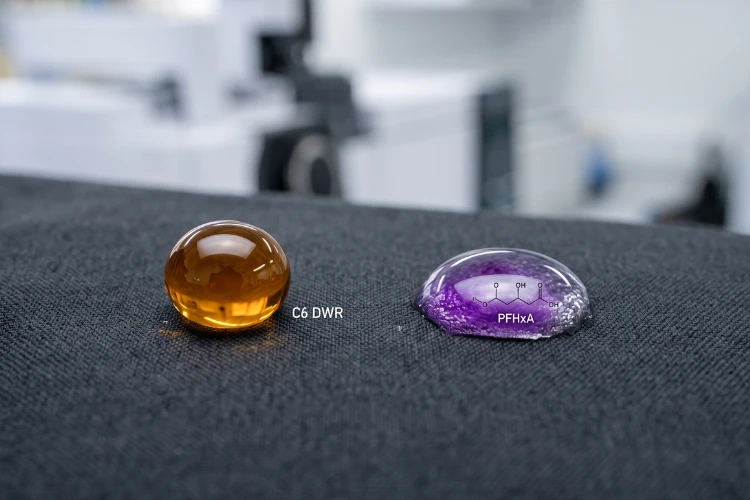
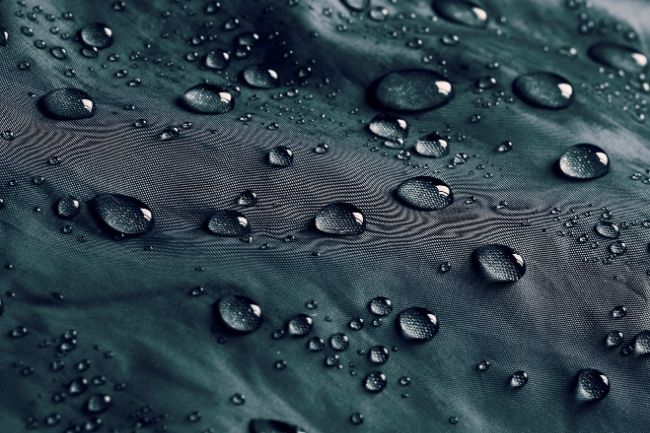
To make fabrics hydrophobic, water-repellent, and stain-resistant, finishes are used. So that fabrics can repel water and oil-based substances. It is achieved by fluorocarbon or silicone coating. Applications include outdoor gear, raincoats, and upholstery.
Skyguard’s series of water & oil repellent finishes are formulated to provide strong hydrophobicity, oil resistance, and enhanced stain protection across a wide range of substrates. They helps textiles maintain a clean appearance, reduce maintenance needs, and extend service life, making them ideal for outdoor wear, sports apparel, home textiles, upholstery, and industrial fabrics.
Flame Retardant
Flame-retardant finishes reduce the flammability, and increase resistance to burning for fabrics. These finishes create a heat-resistant layer that is immune to ignition when exposed to heat.
Anti-Microbial and Anti-Static
Anti-microbial coats prevent the growth of bacteria, fungi, and odor-causing microbes. Fabrics become hygienic and long-lasting. Anti-static finishes discourage the accumulation of static electricity. Medical fabrics, athletics, and uniforms in the electronics industry are major applications of such finishes.
Benefits for Performance-Driven Textiles
Functional finishes greatly increase the lifespan of textiles. It makes clothes resistant to extreme conditions and does not decrease their softness or elasticity. It could be water repulsion, flame resistance, or bacteria protection, these finishes allow the textiles to do more than they are originally capable of.
How Auxiliaries Enable Functional Properties?
Auxiliaries are used in functional finishing as stabilizers or binders to provide long-term and smooth finishes. They assist functional chemicals to stick effectively to fibers, and enhance their performance through numerous washes and uses. The auxiliaries are essential to high-quality, reliable functional fabrics.
Specialty & Innovative Finishes
For selective tasks or use cases, special kind of processing is needed, which belongs to this category.
Aesthetic Finishes
Clothes are improved with decorative finishes. They incorporate pearl, metallic finishes, enzyme and stone washing, to make them look shimmery, soft, or intentionally aged. These can be applied in creating fashionable, gorgeous fabrics that meet modern consumer preferences.
Smart Textile Finishes
Smart finishes involve the incorporation of technology in fabrics to make materials that react to stimuli in the environment. Some finishes change color with temperature (thermochromic), provide UV protection, or moisture management. Conductive finishes are even able to make fabrics transmit signals, a development that is expected to lead to wearable electronics.
Sustainable & Eco-Friendly Approaches
The textile industry is shifting towards a more sustainable finishing process. These include enzyme-based treatments, plant-based softeners, and waterless treatments that lessen the use of chemicals and minimize pollution. Eco-friendly finishes reduce the environmental impact as well as enhance the safety of fabrics for the consumer. They present the future of textile finishing.
Factors to Consider When Choosing a Finish
Choosing what finishing to apply is not as straight forward as building a wall with bricks, one has to consider what they truly need.
End-Use Application and Market Demand
Depending on the purpose for which the fabric will be used, the option of the choice of finish will vary greatly. As an example, sportswear may need moisture-wicking and odor-resistant finishes. Home textiles might have to be flame-resistant or have UV-protective finishes.
Fabric Type and Compatibility
Various fabrics react to different finishes. Softeners and dyes are more readily absorbed by cotton. Whereas synthetic fibers are more useful in embossing or pleating.
Cost, Efficiency, and Regulatory Compliance
The cost of finishing processes increases the cost of production, and therefore, manufacturers must balance quality and cost. There are strict rules on the chemicals employed in textiles. The choice must guarantee quality products and acceptance by the market.
Enhance the Textile Quality with Skychem Auxiliary Solutions
Skychem offers some of the most advanced textile finish solutions. These auxiliary solutions can elevate fabric performance and production efficiency. You will get multiple benefits, such as softness, lubrication, antistatic, flame retardancy, and waterproof effects. They also ensure superior color fastness, wrinkle resistance, and fabric durability. Using these solutions, you can optimize the textile finishing process while reducing costs.

Conclusion
Textile finishes are vital in the conversion process of the raw fabrics to beautiful and durable high-performance materials. From simple mechanical treatments to more advanced smart and environmentally friendly finishes, each process adds additional value.
Knowing types of finishes in textiles and why and how it was chosen will enable the manufacturers, designers, and consumers to value the science and ingenuity that go into every article of clothing we wear in our everyday lives.
Recommended reading: